Thu, Oct 15, 2026
Volume 12 - Contnious Publishing
Iran J Neurosurg 2026, 12 - Contnious Publishing: 0-0 |
Back to browse issues page



Download citation:
BibTeX | RIS | EndNote | Medlars | ProCite | Reference Manager | RefWorks
Send citation to:


BibTeX | RIS | EndNote | Medlars | ProCite | Reference Manager | RefWorks
Send citation to:
Hatami R, Norollahi S E, Ashraf A, Abedi Z, Karimiyan P, Yousefzadeh S, et al . Association Between Peripheral Blood Cell Parameters and Survival in Patients With Glioblastoma Undergoing Surgery. Iran J Neurosurg 2026; 12 : 8
URL: http://irjns.org/article-1-559-en.html
URL: http://irjns.org/article-1-559-en.html
Reza Hatami1 

 , Seyedeh Elham Norollahi2 , Ali Ashraf3 , Zahra Abedi4 , Paridokht Karimiyan5 , Shahrokh Yousefzadeh6 , Fatemeh Afshar7 , Delaram Nazari8 , Ali Akbar Samadani *9
, Seyedeh Elham Norollahi2 , Ali Ashraf3 , Zahra Abedi4 , Paridokht Karimiyan5 , Shahrokh Yousefzadeh6 , Fatemeh Afshar7 , Delaram Nazari8 , Ali Akbar Samadani *9
1- School of Medicine, Guilan University of Medical Sciences, Rasht, Iran.
2- Reproductive Health Research Center, Al-Zahra Hospital, Guilan University of Medical Sciences, Rasht, Iran.
3- Clinical Research Development Unit, Poursina Hospital, Guilan University of Medical Sciences, Rasht, Iran.
4- Department of Molecular Genetics, To.C., Islamic Azad University, Tonekabon, Iran.
5- Department of Pathology, School of Medicine, Guilan University of Medical Sciences, Rasht, Iran.
6- Guilan Road Trauma Research Center, Trauma Institute, Guilan University of Medical Sciences, Rasht, Iran.
7- School of Medicine, Mazandaran University of Medical Sciences, Sari, Iran
8- School of Medicine, Mazandaran University of Medical Sciences, Sari, Iran.
9- Guilan Road Trauma Research Center, Trauma Institute, Guilan University of Medical Sciences, Rasht, Iran & Medical Biotechnology Research Center, School of Paramedicine, Guilan University of Medical Sciences, Rasht, Iran. ,a.a.hormoz@gmail.com
2- Reproductive Health Research Center, Al-Zahra Hospital, Guilan University of Medical Sciences, Rasht, Iran.
3- Clinical Research Development Unit, Poursina Hospital, Guilan University of Medical Sciences, Rasht, Iran.
4- Department of Molecular Genetics, To.C., Islamic Azad University, Tonekabon, Iran.
5- Department of Pathology, School of Medicine, Guilan University of Medical Sciences, Rasht, Iran.
6- Guilan Road Trauma Research Center, Trauma Institute, Guilan University of Medical Sciences, Rasht, Iran.
7- School of Medicine, Mazandaran University of Medical Sciences, Sari, Iran
8- School of Medicine, Mazandaran University of Medical Sciences, Sari, Iran.
9- Guilan Road Trauma Research Center, Trauma Institute, Guilan University of Medical Sciences, Rasht, Iran & Medical Biotechnology Research Center, School of Paramedicine, Guilan University of Medical Sciences, Rasht, Iran. ,
Full Text [PDF 2615 kb]
(118 Downloads)
| Abstract (HTML) (561 Views)
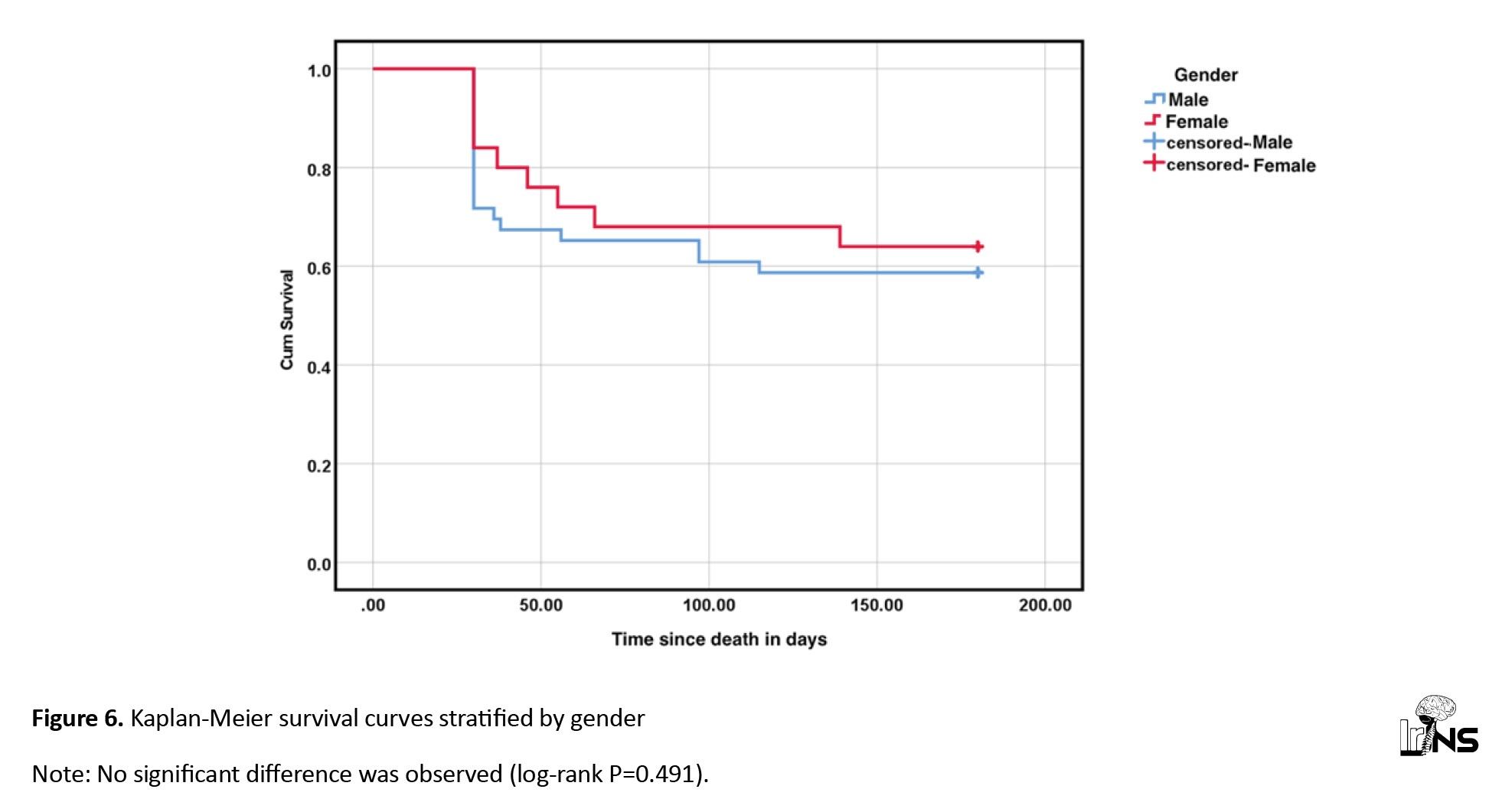
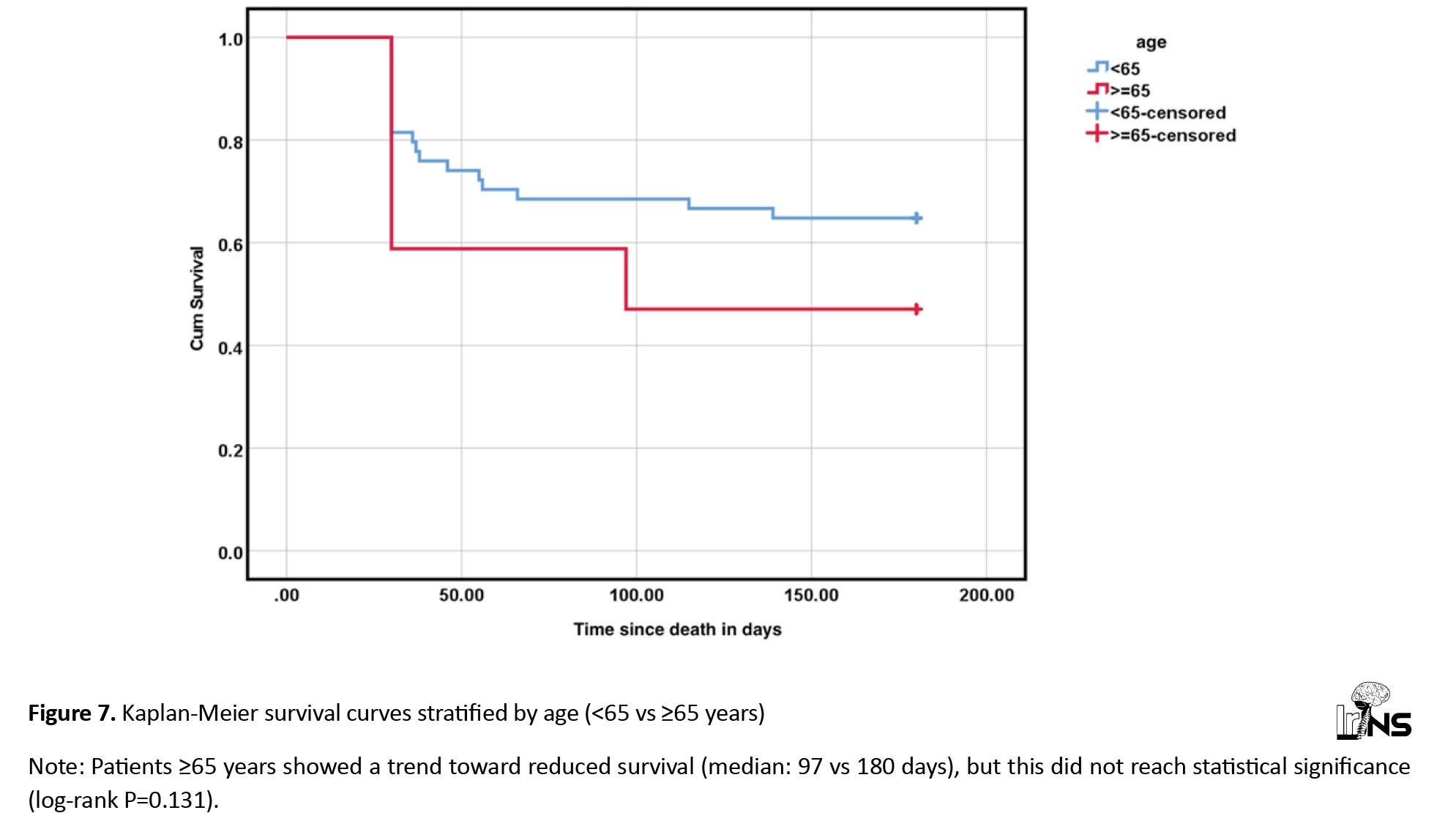
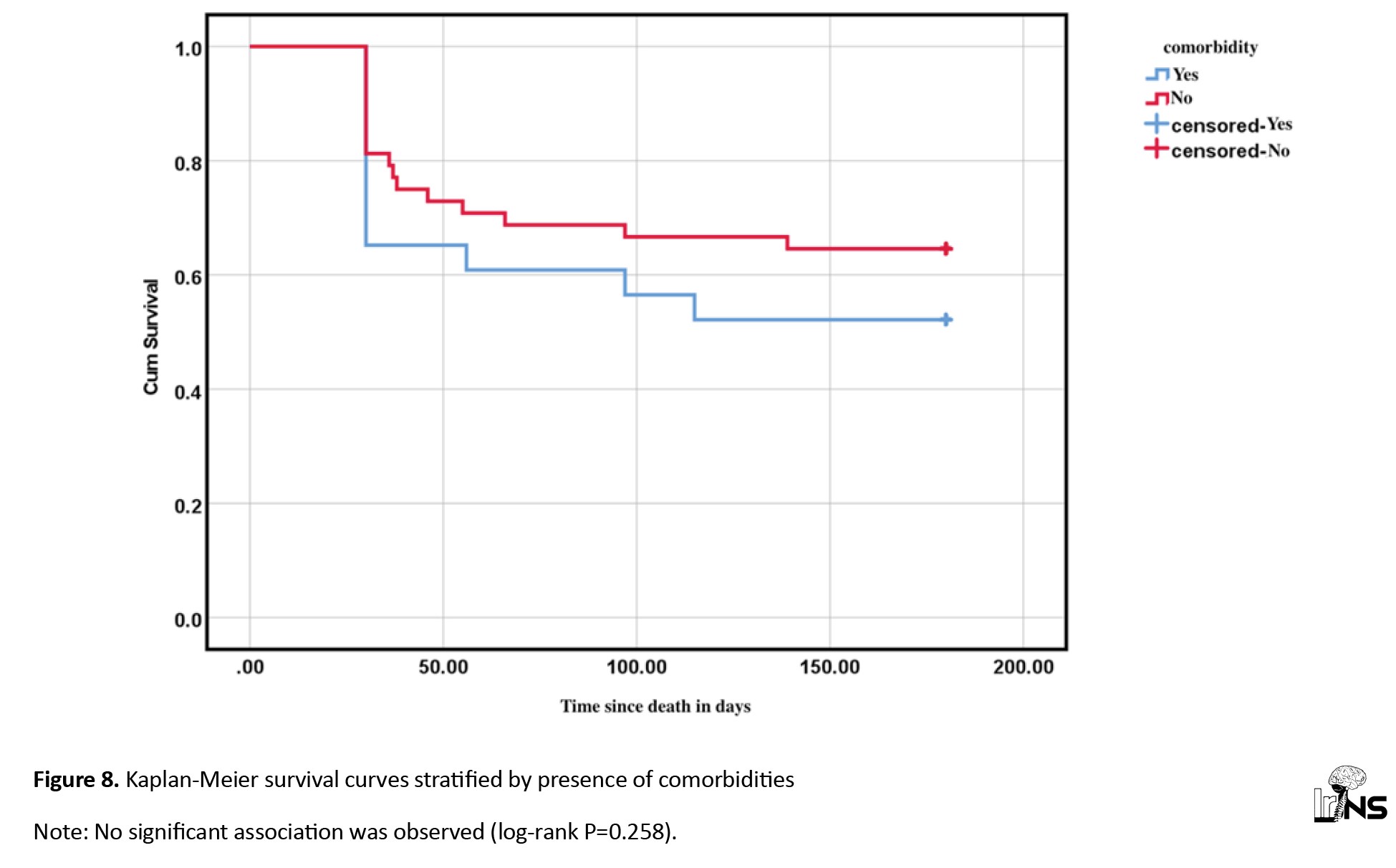
Kaplan-Meier survival analyses by subgroups
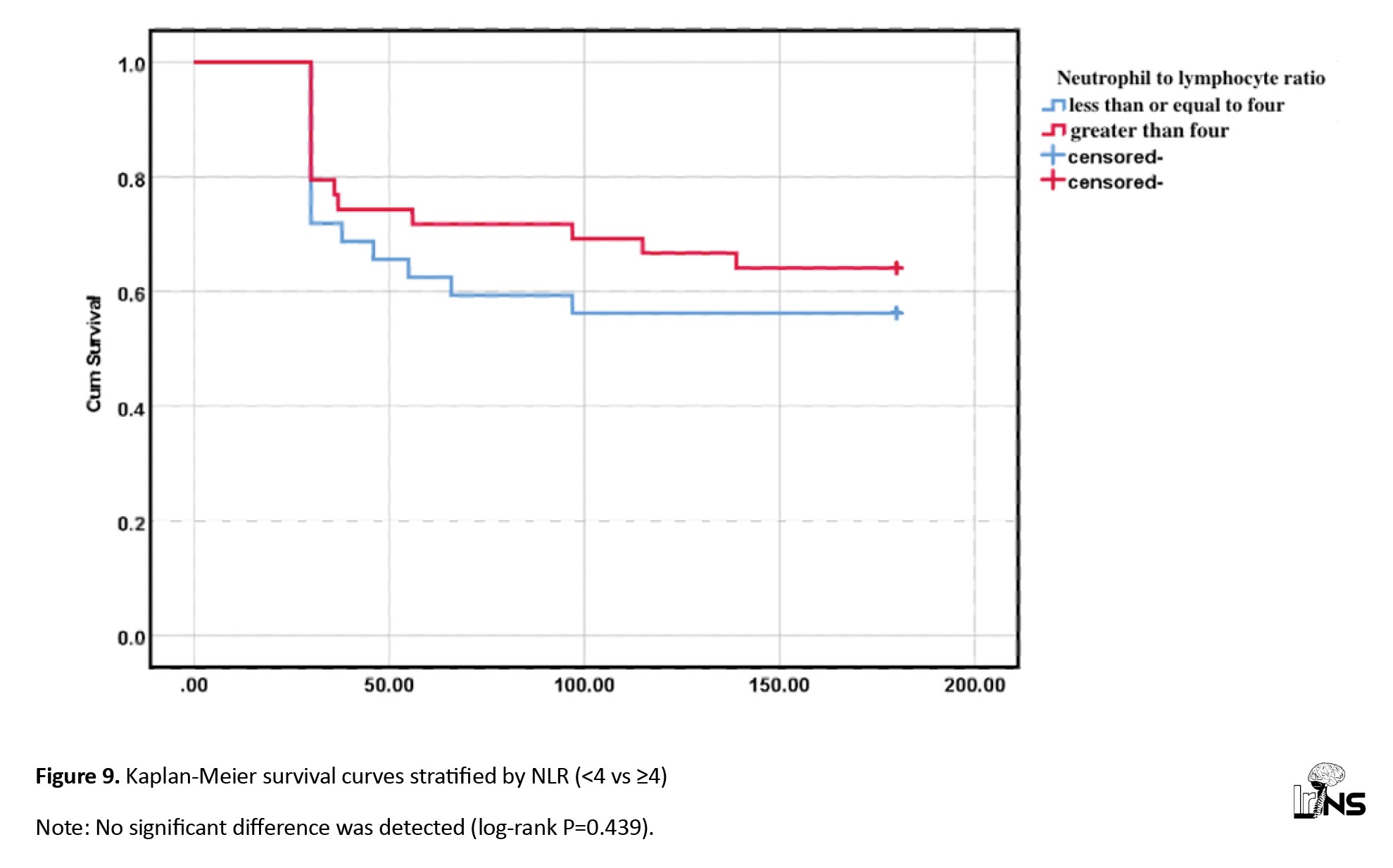
Figures 6, 7, 8, and 9 show stratified Kaplan-Meier survival curves.
Full Text: (68 Views)
1. Introduction
Glioblastoma (GBM) is the most prevalent and aggressive primary malignant tumor of the central nervous system in adults and is classified as a grade IV astrocytoma according to the World Health Organization (WHO) classification. It constitutes nearly 60% of all primary brain tumors and approximately 45% of malignant primary brain and central nervous system neoplasms, with an annual incidence ranging from 3 to 5 cases per 100,000 individuals in Western populations. Despite decades of advances in neurosurgical techniques, radiotherapy planning, and systemic therapies, GBM continues to carry an extremely poor prognosis, with median overall survival (OS) rarely exceeding 14-16 months and a 5-year survival rate of less than 7% [1]. Large population-based studies indicate that long-term survival outcomes have shown only marginal improvement over the past two decades, emphasizing the persistent therapeutic limitations and the urgent need for more reliable prognostic markers [2]. The current standard treatment for GBM, established by the pivotal Stupp protocol, consists of maximal safe surgical resection followed by concurrent radiotherapy and temozolomide chemotherapy, with subsequent adjuvant temozolomide. However, several intrinsic biological characteristics of GBM, including diffuse infiltration into surrounding brain tissue, marked intratumoral heterogeneity, the presence of glioma stem-like cells, and the restrictive role of the blood-brain barrier, significantly compromise treatment efficacy and contribute to inevitable tumor recurrence. These features also underlie substantial interindividual variability in treatment response and survival, suggesting that patient-related systemic factors may play an important role in disease progression and prognosis [3]. In recent years, molecular profiling has transformed the understanding of GBM biology. The updated 2021 WHO classification differentiates GBM into isocitrate dehydrogenase (IDH)-wildtype and IDH-mutant forms, with the former accounting for the majority of cases and exhibiting markedly worse clinical outcomes [4]. Additional molecular alterations, such as O6-methylguanine-DNA methyltransferase (MGMT) promoter methylation, telomerase reverse transcriptase promoter mutations, epidermal growth factor receptor amplification, and phosphatase and tensin homolog loss, have been shown to influence prognosis and therapeutic responsiveness [5].
However, comprehensive molecular testing is not universally available due to financial, technical, and logistical constraints, particularly in resource-limited settings. Consequently, there is growing interest in identifying inexpensive, easily obtainable, and reproducible prognostic biomarkers derived from routine clinical assessments, including peripheral blood parameters [4]. The tumor microenvironment of GBM is profoundly immunosuppressive and is characterized by extensive infiltration of regulatory T cells, tumor-associated macrophages, and myeloid-derived suppressor cells, which collectively promote immune evasion and tumor progression [6]. Accumulating evidence suggests that systemic inflammation, as reflected by changes in circulating blood cell components, may mirror intratumoral immune dysregulation and influence clinical outcomes. In this context, hematological indices derived from complete blood count (CBC), such as absolute leukocyte subpopulations, neutrophil-to-lymphocyte ratio (NLR), and platelet-to-lymphocyte ratio (PLR), have attracted considerable attention as potential prognostic indicators across a wide range of solid tumors, including GBM [7, 8].
Neutrophils, which constitute the largest fraction of circulating leukocytes, exert dual effects in cancer. While they are essential components of innate immunity, tumor-associated neutrophils can facilitate tumor growth by promoting angiogenesis, remodeling the extracellular matrix, and suppressing adaptive immune responses by releasing cytokines, proteases, and reactive oxygen species (ROS) [9]. Elevated neutrophil counts and increased NLR have been consistently associated with poorer survival in patients with GBM, as demonstrated by several large-scale retrospective studies and meta-analyses [10]. In contrast, lymphocytes, particularly CD8⁺ cytotoxic T cells, and CD4⁺ helper T cells are central mediators of antitumor immunity [6]. Lymphopenia, frequently observed in patients with GBM due to both disease-related and treatment-induced immunosuppression, has been linked to reduced survival and diminished response to radiotherapy and emerging immunotherapeutic approaches [11].
Among inflammatory markers, the NLR has emerged as one of the most practical and robust indicators of systemic immune imbalance. Its simplicity, low cost, and widespread availability make it an attractive prognostic tool in routine clinical practice. Meta-analytic evidence indicates that elevated pretreatment NLR is independently associated with poorer OS in patients with GBM, even after adjustment for established prognostic factors such as age, extent of resection, and molecular characteristics [12]. Nonetheless, optimal NLR cutoff values remain heterogeneous across studies, and recent data suggest that longitudinal changes in NLR during treatment may provide additional prognostic information beyond baseline measurements [13]. Platelets also play a critical role in cancer biology beyond their traditional function in hemostasis. They contribute to tumor progression by protecting circulating tumor cells from immune surveillance, facilitating tumor cell adhesion and extravasation, and releasing pro-angiogenic and growth-promoting factors, such as vascular endothelial growth factor, platelet-derived growth factor, and transforming growth factor-β [14]. Thrombocytosis and elevated PLR have been reported in patients with GBM and are often associated with more aggressive tumor behavior and unfavorable clinical outcomes [15]. Although the prognostic value of PLR appears less consistent than that of NLR, recent systematic reviews suggest that platelet-related indices may still provide complementary prognostic information [16]. In addition to leukocyte- and platelet-based indices, red blood cell distribution width (RDW) has recently emerged as a novel marker of systemic inflammation and physiological stress. Elevated RDW reflects increased heterogeneity in erythrocyte size and has been associated with adverse outcomes in cardiovascular disease and various malignancies [17]. RDW-based composite indices, including RDW-to-platelet ratio, have shown potential prognostic value in GBM, possibly reflecting chronic inflammation, nutritional status, and impaired hematopoiesis [18]. However, most existing studies are retrospective, involve relatively small cohorts, and exhibit substantial methodological heterogeneity in cutoff definitions, timing of blood sampling, and adjustment for confounding factors such as corticosteroid use. Notably, data regarding the prognostic significance of hematological parameters in patients with GBM from northern Iran, particularly Guilan Province, are scarce. Given potential regional differences in genetic background, environmental exposures, lifestyle factors, and healthcare access, population-specific investigations are essential to determine the generalizability and clinical relevance of blood-based prognostic markers. Therefore, the present study aimed to evaluate the association between peripheral blood cell elements, with particular emphasis on leukocytes (neutrophils and lymphocytes) and platelets, and survival outcomes in patients with histologically confirmed GBM treated in Rasht City, Guilan Province, Iran. By focusing on readily available, cost-effective hematological parameters, this study aims to improve risk stratification and support more personalized prognostic assessment in patients with GBM.
2. Methods and Materials
Study design and setting
This retrospective observational cohort study was conducted at Poursina Hospital, a tertiary referral center affiliated with Guilan University of Medical Sciences, Rasht, Iran. The study protocol was approved by the institutional ethics committee and complied with the principles of the Declaration of Helsinki [19]. Written informed consent was obtained from all patients or their legal representatives. Reporting of this study adhered to the strengthening the reporting of observational studies in epidemiology (STROBE) guidelines [20].
Study population
Consecutive adult patients with a diagnosis of GBM who were admitted between January 2024 and June 2024 were screened for eligibility. Inclusion criteria were: (1) histopathological confirmation of GBM according to the 2020 WHO classification of tumors of the central nervous system [21]; (2) Availability of pre-treatment complete blood count (CBC) data; (3) Age ≥18 years; and (4) Complete clinical and follow-up records.
Patients were excluded if they had: (1) Non-GBM glioma histology or lower-grade gliomas; (2) concurrent or previous malignancies; (3) evidence of acute or chronic infection or inflammatory disease at baseline; (4) autoimmune disorders; or (5) corticosteroid administration before baseline blood sampling.
Additionally, patients receiving systemic immunosuppressive agents within four weeks before blood collection were excluded to minimize confounding effects on circulating leukocyte and platelet indices [22].
Data collection
Demographic and clinical variables were extracted from the hospital information system and medical records, including age, sex, comorbidities (hypertension, diabetes mellitus, cardiovascular disease, hyperlipidemia, asthma, and benign prostatic hyperplasia), tumor location, and treatment modalities. Tumor location was categorized based on cerebral lobe involvement. When available, the extent of surgical resection was classified as gross total resection, subtotal resection, or biopsy, consistent with previously established criteria [23].
Laboratory measurements
Peripheral venous blood samples were obtained within 24 hours before surgical intervention and before initiation of adjuvant therapy. CBC analyses were performed using automated hematology analyzers in a single institutional laboratory. The following parameters were recorded:
Total white blood cell (WBC) count (×10⁹/L); Absolute neutrophil count (×10⁹/L); Absolute lymphocyte count (×10⁹/L); Platelet count (×10⁹/L); Neutrophil percentage; Lymphocyte percentage
Inflammatory indices were calculated as follows (Equations 1 and 2):
1. NLR = Absolute neutrophil count / Absolute lymphocyte count
2. PLR= Platelet count / Absolute lymphocyte count
All laboratory procedures followed standardized internal quality-control protocols to ensure analytical reliability and minimize inter-assay variability [24].
Outcome definition
The primary outcome was OS, defined as the interval from the date of histopathological diagnosis to death from any cause or to the last follow-up. Survival status was assessed via structured telephone interviews at six months after diagnosis and cross-validated against hospital records to reduce misclassification bias. Patients who were alive at the end of follow-up were censored [25].
Statistical analysis
Continuous variables were summarized as Mean±SD or median with interquartile range (IQR), depending on the data distribution, as assessed using the Shapiro-Wilk test, skewness, and kurtosis. Categorical variables were expressed as frequencies and percentages. Between-group comparisons were performed using the independent t-test or Mann-Whitney U test for continuous variables and the chi-square or Fisher’s exact test for categorical variables.
OS was analyzed using Kaplan-Meier survival curves, and differences between groups were evaluated with the log-rank test. Associations between hematologic parameters and survival were examined using univariate and multivariate Cox proportional hazards regression models, with results reported as hazard ratios (HRs) and 95% confidence intervals (CIs). Variables with P<0.10 in univariate analyses were entered into the multivariate model. The proportional hazards assumption was verified using Schoenfeld residuals and log-minus-log plots [26]. Correlations between continuous variables were assessed using Spearman’s rank correlation coefficient.
An NLR cutoff value of 4 was applied based on prior prognostic studies in the GBM population [27]. Statistical significance was defined as a two-tailed P<0.05. All analyses were performed using SPSS software, version 25.0; IBM Corp., Armonk, NY, USA).
Sample size estimation
Sample size calculation was based on previous studies reporting a HRs of approximately 1.6 for patients with NLR≥4 compared with NLR<4 [4]. Assuming survival proportions of 0.02 and 0.03, a group allocation ratio of 1.8, a significance level of α=0.05, and 80% statistical power, a minimum sample size of 68 patients was estimated. Allowing for a 10% attrition rate, a target enrollment of 75 patients was planned. Ultimately, 71 patients fulfilled all eligibility criteria and completed follow-up. Sample size estimation was conducted using PASS software, version 15.0; NCSS, USA [28].
3. Results
Patient demographics and clinical characteristics
A total of 71 patients with newly diagnosed GBM were included in the analysis. Table 1 presents baseline demographic and clinical characteristics.
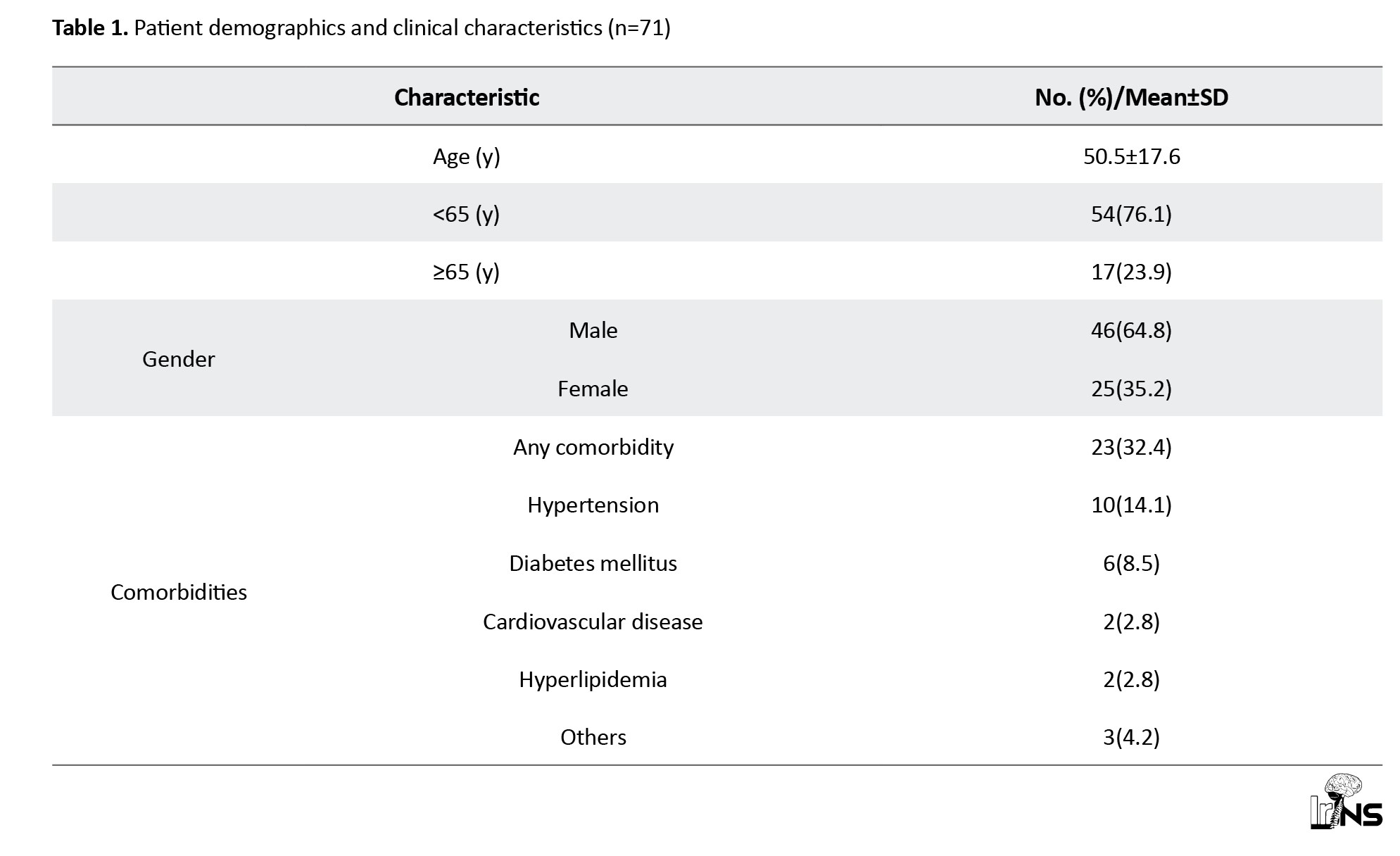
The cohort consisted of 46 men (64.8%) and 25 women (35.2%), yielding a male-to-female ratio of 1.84:1. The mean age at diagnosis was 50.5±17.6 years (range: 18-85 years), with the majority of patients (n=54, 76.1%) younger than 65 years.
Documented comorbidities were present in 23 patients (32.4%), with hypertension (14.1%) and diabetes mellitus (8.5%) being the most prevalent. The observed age distribution and male predominance are consistent with established epidemiological patterns reported in large population-based GBM cohorts, supporting the representativeness of the study population.
Baseline hematological profile
Table 2 presents baseline peripheral blood parameters.
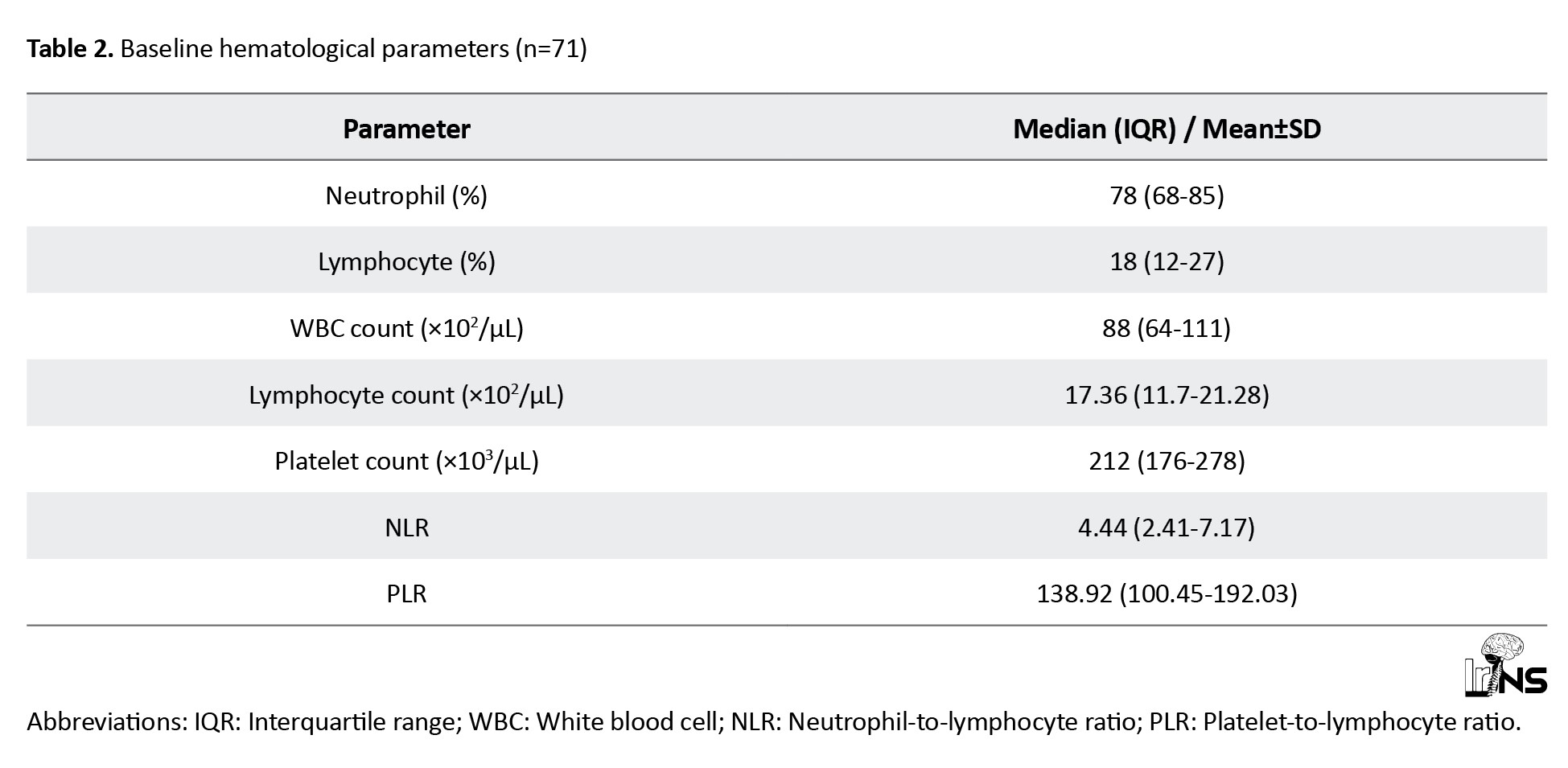
The median neutrophil proportion was 78% (IQR: 68-85), while the median lymphocyte proportion was 18% (IQR: 12-27), reflecting a neutrophil-skewed leukocyte profile. The median total WBC count was 8.8×10³/μL (IQR: 6.4-11.1×10³/μL), and the median platelet count was 212×10³/μL (IQR: 176-278×10³/μL).
The median NLR was 4.44 (IQR: 2.41-7.17), with more than half of the patients (53.5%) exhibiting NLR values ≥4. The median PLR was 138.92 (IQR: 100.45-192.03). Collectively, these findings indicate a systemic inflammatory and immunosuppressive peripheral blood phenotype at diagnosis, a feature increasingly recognized in GBM biology.
Survival outcomes
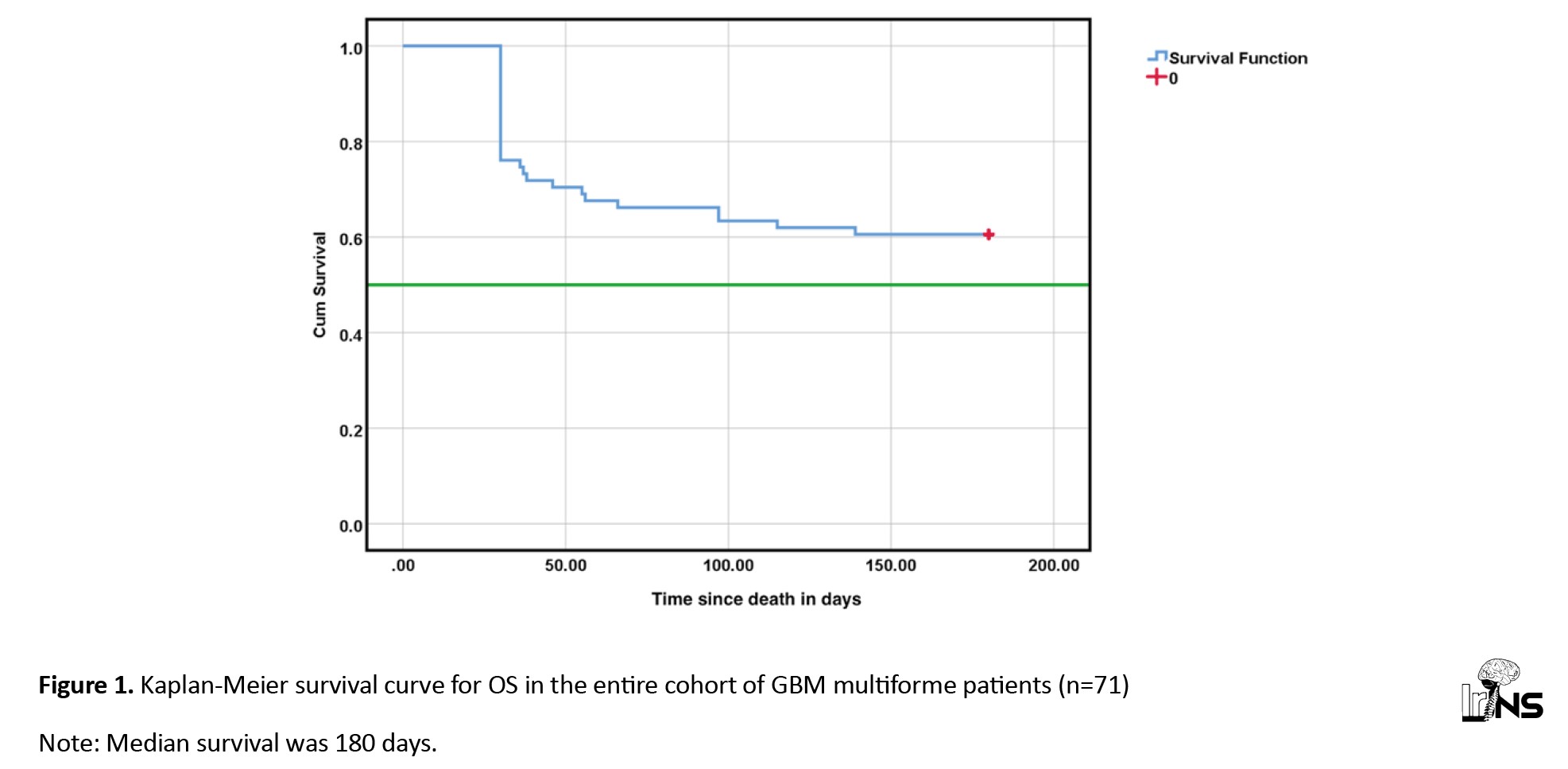
During the six-month follow-up period, 28 patients (39.4%; 95% CI, 28.7%, 51%) died. The mean OS was 127.2±68.4 days (95% CI, 111%, 143.4% days), and the median OS was 180 days (IQR: 36-180 days), extending beyond the predefined follow-up window.
OS outcomes are illustrated in Figure 1.
Glioblastoma (GBM) is the most prevalent and aggressive primary malignant tumor of the central nervous system in adults and is classified as a grade IV astrocytoma according to the World Health Organization (WHO) classification. It constitutes nearly 60% of all primary brain tumors and approximately 45% of malignant primary brain and central nervous system neoplasms, with an annual incidence ranging from 3 to 5 cases per 100,000 individuals in Western populations. Despite decades of advances in neurosurgical techniques, radiotherapy planning, and systemic therapies, GBM continues to carry an extremely poor prognosis, with median overall survival (OS) rarely exceeding 14-16 months and a 5-year survival rate of less than 7% [1]. Large population-based studies indicate that long-term survival outcomes have shown only marginal improvement over the past two decades, emphasizing the persistent therapeutic limitations and the urgent need for more reliable prognostic markers [2]. The current standard treatment for GBM, established by the pivotal Stupp protocol, consists of maximal safe surgical resection followed by concurrent radiotherapy and temozolomide chemotherapy, with subsequent adjuvant temozolomide. However, several intrinsic biological characteristics of GBM, including diffuse infiltration into surrounding brain tissue, marked intratumoral heterogeneity, the presence of glioma stem-like cells, and the restrictive role of the blood-brain barrier, significantly compromise treatment efficacy and contribute to inevitable tumor recurrence. These features also underlie substantial interindividual variability in treatment response and survival, suggesting that patient-related systemic factors may play an important role in disease progression and prognosis [3]. In recent years, molecular profiling has transformed the understanding of GBM biology. The updated 2021 WHO classification differentiates GBM into isocitrate dehydrogenase (IDH)-wildtype and IDH-mutant forms, with the former accounting for the majority of cases and exhibiting markedly worse clinical outcomes [4]. Additional molecular alterations, such as O6-methylguanine-DNA methyltransferase (MGMT) promoter methylation, telomerase reverse transcriptase promoter mutations, epidermal growth factor receptor amplification, and phosphatase and tensin homolog loss, have been shown to influence prognosis and therapeutic responsiveness [5].
However, comprehensive molecular testing is not universally available due to financial, technical, and logistical constraints, particularly in resource-limited settings. Consequently, there is growing interest in identifying inexpensive, easily obtainable, and reproducible prognostic biomarkers derived from routine clinical assessments, including peripheral blood parameters [4]. The tumor microenvironment of GBM is profoundly immunosuppressive and is characterized by extensive infiltration of regulatory T cells, tumor-associated macrophages, and myeloid-derived suppressor cells, which collectively promote immune evasion and tumor progression [6]. Accumulating evidence suggests that systemic inflammation, as reflected by changes in circulating blood cell components, may mirror intratumoral immune dysregulation and influence clinical outcomes. In this context, hematological indices derived from complete blood count (CBC), such as absolute leukocyte subpopulations, neutrophil-to-lymphocyte ratio (NLR), and platelet-to-lymphocyte ratio (PLR), have attracted considerable attention as potential prognostic indicators across a wide range of solid tumors, including GBM [7, 8].
Neutrophils, which constitute the largest fraction of circulating leukocytes, exert dual effects in cancer. While they are essential components of innate immunity, tumor-associated neutrophils can facilitate tumor growth by promoting angiogenesis, remodeling the extracellular matrix, and suppressing adaptive immune responses by releasing cytokines, proteases, and reactive oxygen species (ROS) [9]. Elevated neutrophil counts and increased NLR have been consistently associated with poorer survival in patients with GBM, as demonstrated by several large-scale retrospective studies and meta-analyses [10]. In contrast, lymphocytes, particularly CD8⁺ cytotoxic T cells, and CD4⁺ helper T cells are central mediators of antitumor immunity [6]. Lymphopenia, frequently observed in patients with GBM due to both disease-related and treatment-induced immunosuppression, has been linked to reduced survival and diminished response to radiotherapy and emerging immunotherapeutic approaches [11].
Among inflammatory markers, the NLR has emerged as one of the most practical and robust indicators of systemic immune imbalance. Its simplicity, low cost, and widespread availability make it an attractive prognostic tool in routine clinical practice. Meta-analytic evidence indicates that elevated pretreatment NLR is independently associated with poorer OS in patients with GBM, even after adjustment for established prognostic factors such as age, extent of resection, and molecular characteristics [12]. Nonetheless, optimal NLR cutoff values remain heterogeneous across studies, and recent data suggest that longitudinal changes in NLR during treatment may provide additional prognostic information beyond baseline measurements [13]. Platelets also play a critical role in cancer biology beyond their traditional function in hemostasis. They contribute to tumor progression by protecting circulating tumor cells from immune surveillance, facilitating tumor cell adhesion and extravasation, and releasing pro-angiogenic and growth-promoting factors, such as vascular endothelial growth factor, platelet-derived growth factor, and transforming growth factor-β [14]. Thrombocytosis and elevated PLR have been reported in patients with GBM and are often associated with more aggressive tumor behavior and unfavorable clinical outcomes [15]. Although the prognostic value of PLR appears less consistent than that of NLR, recent systematic reviews suggest that platelet-related indices may still provide complementary prognostic information [16]. In addition to leukocyte- and platelet-based indices, red blood cell distribution width (RDW) has recently emerged as a novel marker of systemic inflammation and physiological stress. Elevated RDW reflects increased heterogeneity in erythrocyte size and has been associated with adverse outcomes in cardiovascular disease and various malignancies [17]. RDW-based composite indices, including RDW-to-platelet ratio, have shown potential prognostic value in GBM, possibly reflecting chronic inflammation, nutritional status, and impaired hematopoiesis [18]. However, most existing studies are retrospective, involve relatively small cohorts, and exhibit substantial methodological heterogeneity in cutoff definitions, timing of blood sampling, and adjustment for confounding factors such as corticosteroid use. Notably, data regarding the prognostic significance of hematological parameters in patients with GBM from northern Iran, particularly Guilan Province, are scarce. Given potential regional differences in genetic background, environmental exposures, lifestyle factors, and healthcare access, population-specific investigations are essential to determine the generalizability and clinical relevance of blood-based prognostic markers. Therefore, the present study aimed to evaluate the association between peripheral blood cell elements, with particular emphasis on leukocytes (neutrophils and lymphocytes) and platelets, and survival outcomes in patients with histologically confirmed GBM treated in Rasht City, Guilan Province, Iran. By focusing on readily available, cost-effective hematological parameters, this study aims to improve risk stratification and support more personalized prognostic assessment in patients with GBM.
2. Methods and Materials
Study design and setting
This retrospective observational cohort study was conducted at Poursina Hospital, a tertiary referral center affiliated with Guilan University of Medical Sciences, Rasht, Iran. The study protocol was approved by the institutional ethics committee and complied with the principles of the Declaration of Helsinki [19]. Written informed consent was obtained from all patients or their legal representatives. Reporting of this study adhered to the strengthening the reporting of observational studies in epidemiology (STROBE) guidelines [20].
Study population
Consecutive adult patients with a diagnosis of GBM who were admitted between January 2024 and June 2024 were screened for eligibility. Inclusion criteria were: (1) histopathological confirmation of GBM according to the 2020 WHO classification of tumors of the central nervous system [21]; (2) Availability of pre-treatment complete blood count (CBC) data; (3) Age ≥18 years; and (4) Complete clinical and follow-up records.
Patients were excluded if they had: (1) Non-GBM glioma histology or lower-grade gliomas; (2) concurrent or previous malignancies; (3) evidence of acute or chronic infection or inflammatory disease at baseline; (4) autoimmune disorders; or (5) corticosteroid administration before baseline blood sampling.
Additionally, patients receiving systemic immunosuppressive agents within four weeks before blood collection were excluded to minimize confounding effects on circulating leukocyte and platelet indices [22].
Data collection
Demographic and clinical variables were extracted from the hospital information system and medical records, including age, sex, comorbidities (hypertension, diabetes mellitus, cardiovascular disease, hyperlipidemia, asthma, and benign prostatic hyperplasia), tumor location, and treatment modalities. Tumor location was categorized based on cerebral lobe involvement. When available, the extent of surgical resection was classified as gross total resection, subtotal resection, or biopsy, consistent with previously established criteria [23].
Laboratory measurements
Peripheral venous blood samples were obtained within 24 hours before surgical intervention and before initiation of adjuvant therapy. CBC analyses were performed using automated hematology analyzers in a single institutional laboratory. The following parameters were recorded:
Total white blood cell (WBC) count (×10⁹/L); Absolute neutrophil count (×10⁹/L); Absolute lymphocyte count (×10⁹/L); Platelet count (×10⁹/L); Neutrophil percentage; Lymphocyte percentage
Inflammatory indices were calculated as follows (Equations 1 and 2):
1. NLR = Absolute neutrophil count / Absolute lymphocyte count
2. PLR= Platelet count / Absolute lymphocyte count
All laboratory procedures followed standardized internal quality-control protocols to ensure analytical reliability and minimize inter-assay variability [24].
Outcome definition
The primary outcome was OS, defined as the interval from the date of histopathological diagnosis to death from any cause or to the last follow-up. Survival status was assessed via structured telephone interviews at six months after diagnosis and cross-validated against hospital records to reduce misclassification bias. Patients who were alive at the end of follow-up were censored [25].
Statistical analysis
Continuous variables were summarized as Mean±SD or median with interquartile range (IQR), depending on the data distribution, as assessed using the Shapiro-Wilk test, skewness, and kurtosis. Categorical variables were expressed as frequencies and percentages. Between-group comparisons were performed using the independent t-test or Mann-Whitney U test for continuous variables and the chi-square or Fisher’s exact test for categorical variables.
OS was analyzed using Kaplan-Meier survival curves, and differences between groups were evaluated with the log-rank test. Associations between hematologic parameters and survival were examined using univariate and multivariate Cox proportional hazards regression models, with results reported as hazard ratios (HRs) and 95% confidence intervals (CIs). Variables with P<0.10 in univariate analyses were entered into the multivariate model. The proportional hazards assumption was verified using Schoenfeld residuals and log-minus-log plots [26]. Correlations between continuous variables were assessed using Spearman’s rank correlation coefficient.
An NLR cutoff value of 4 was applied based on prior prognostic studies in the GBM population [27]. Statistical significance was defined as a two-tailed P<0.05. All analyses were performed using SPSS software, version 25.0; IBM Corp., Armonk, NY, USA).
Sample size estimation
Sample size calculation was based on previous studies reporting a HRs of approximately 1.6 for patients with NLR≥4 compared with NLR<4 [4]. Assuming survival proportions of 0.02 and 0.03, a group allocation ratio of 1.8, a significance level of α=0.05, and 80% statistical power, a minimum sample size of 68 patients was estimated. Allowing for a 10% attrition rate, a target enrollment of 75 patients was planned. Ultimately, 71 patients fulfilled all eligibility criteria and completed follow-up. Sample size estimation was conducted using PASS software, version 15.0; NCSS, USA [28].
3. Results
Patient demographics and clinical characteristics
A total of 71 patients with newly diagnosed GBM were included in the analysis. Table 1 presents baseline demographic and clinical characteristics.
The cohort consisted of 46 men (64.8%) and 25 women (35.2%), yielding a male-to-female ratio of 1.84:1. The mean age at diagnosis was 50.5±17.6 years (range: 18-85 years), with the majority of patients (n=54, 76.1%) younger than 65 years.
Documented comorbidities were present in 23 patients (32.4%), with hypertension (14.1%) and diabetes mellitus (8.5%) being the most prevalent. The observed age distribution and male predominance are consistent with established epidemiological patterns reported in large population-based GBM cohorts, supporting the representativeness of the study population.
Baseline hematological profile
Table 2 presents baseline peripheral blood parameters.
The median neutrophil proportion was 78% (IQR: 68-85), while the median lymphocyte proportion was 18% (IQR: 12-27), reflecting a neutrophil-skewed leukocyte profile. The median total WBC count was 8.8×10³/μL (IQR: 6.4-11.1×10³/μL), and the median platelet count was 212×10³/μL (IQR: 176-278×10³/μL).
The median NLR was 4.44 (IQR: 2.41-7.17), with more than half of the patients (53.5%) exhibiting NLR values ≥4. The median PLR was 138.92 (IQR: 100.45-192.03). Collectively, these findings indicate a systemic inflammatory and immunosuppressive peripheral blood phenotype at diagnosis, a feature increasingly recognized in GBM biology.
Survival outcomes
During the six-month follow-up period, 28 patients (39.4%; 95% CI, 28.7%, 51%) died. The mean OS was 127.2±68.4 days (95% CI, 111%, 143.4% days), and the median OS was 180 days (IQR: 36-180 days), extending beyond the predefined follow-up window.
OS outcomes are illustrated in Figure 1.
The Kaplan-Meier curve demonstrates an estimated six-month survival probability of approximately 60%, with a non-uniform distribution of mortality events over time. Kaplan-Meier analysis for the entire cohort (Figure 1) demonstrated an estimated six-month survival probability of approximately 60%. These early survival outcomes align with previously reported short-term mortality rates in GBM patients receiving standard-of-care treatment.
Association between clinical variables and mortality
Table 3 presents associations between baseline clinical variables and six-month mortality.
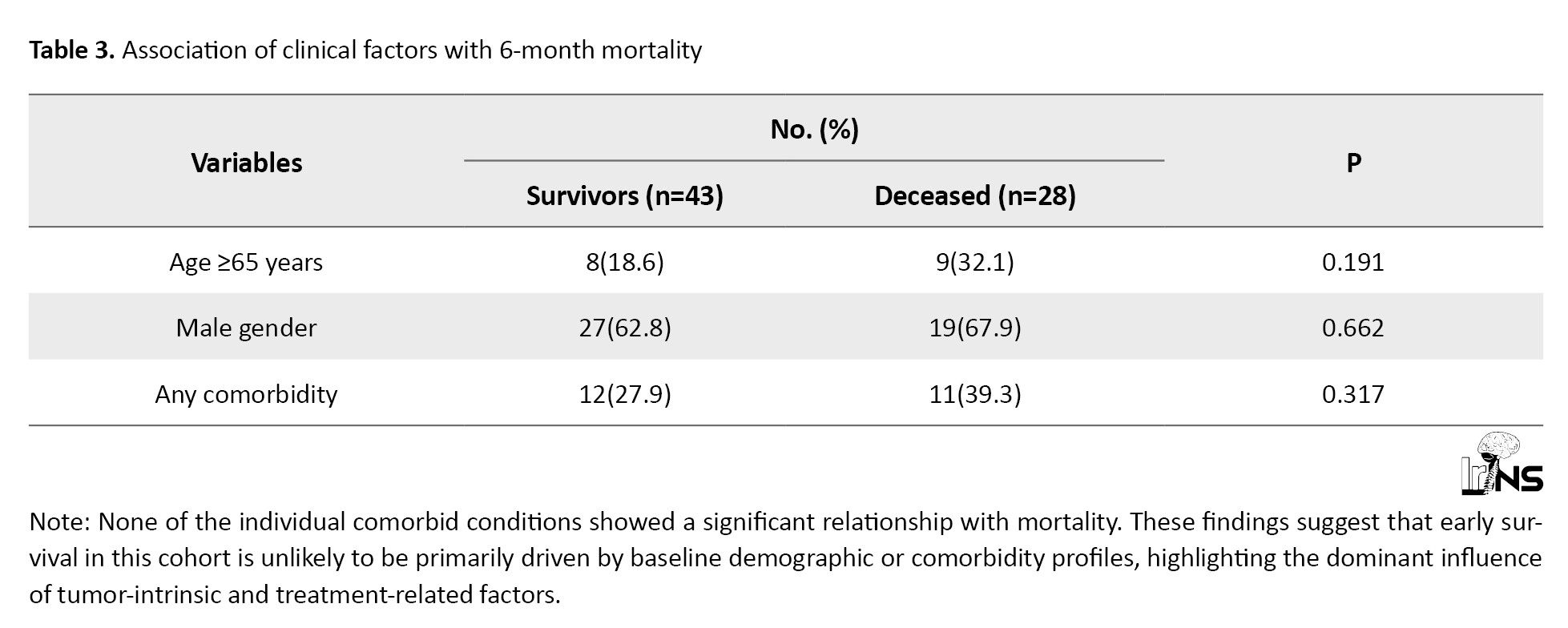
No statistically significant associations were observed for age ≥65 years (P=0.191), male sex (P=0.662), or the presence of any comorbidity (P=0.317).
Hematological parameters and survival status
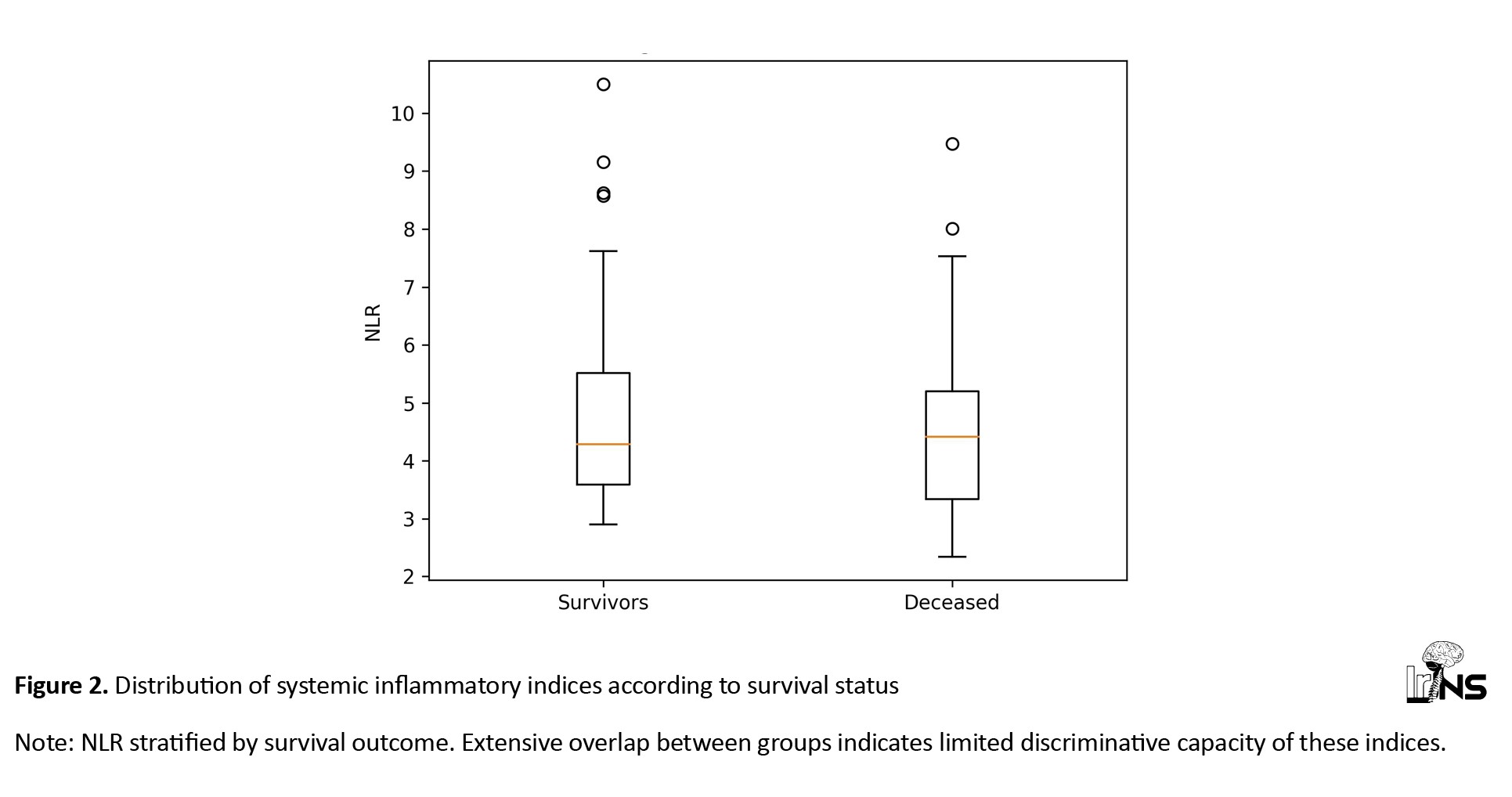
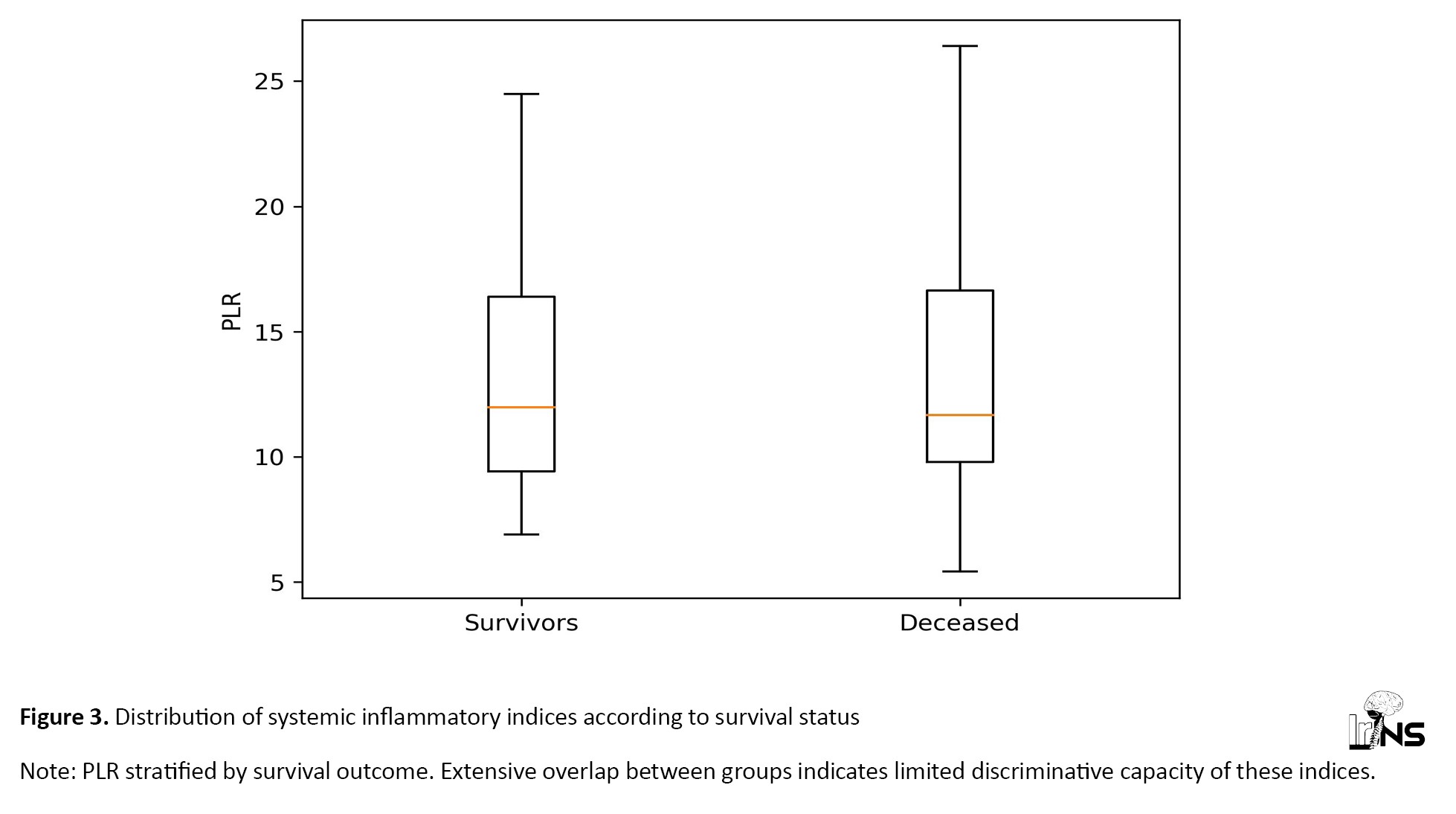
As shown in Figures 2 and 3, substantial overlap was observed in the distributions of NLR and PLR between survivors and deceased patients, consistent with the lack of statistically significant group differences.
Association between clinical variables and mortality
Table 3 presents associations between baseline clinical variables and six-month mortality.
No statistically significant associations were observed for age ≥65 years (P=0.191), male sex (P=0.662), or the presence of any comorbidity (P=0.317).
Hematological parameters and survival status
As shown in Figures 2 and 3, substantial overlap was observed in the distributions of NLR and PLR between survivors and deceased patients, consistent with the lack of statistically significant group differences.
Table 4 presents comparative analyses of hematological parameters between survivors and deceased patients.
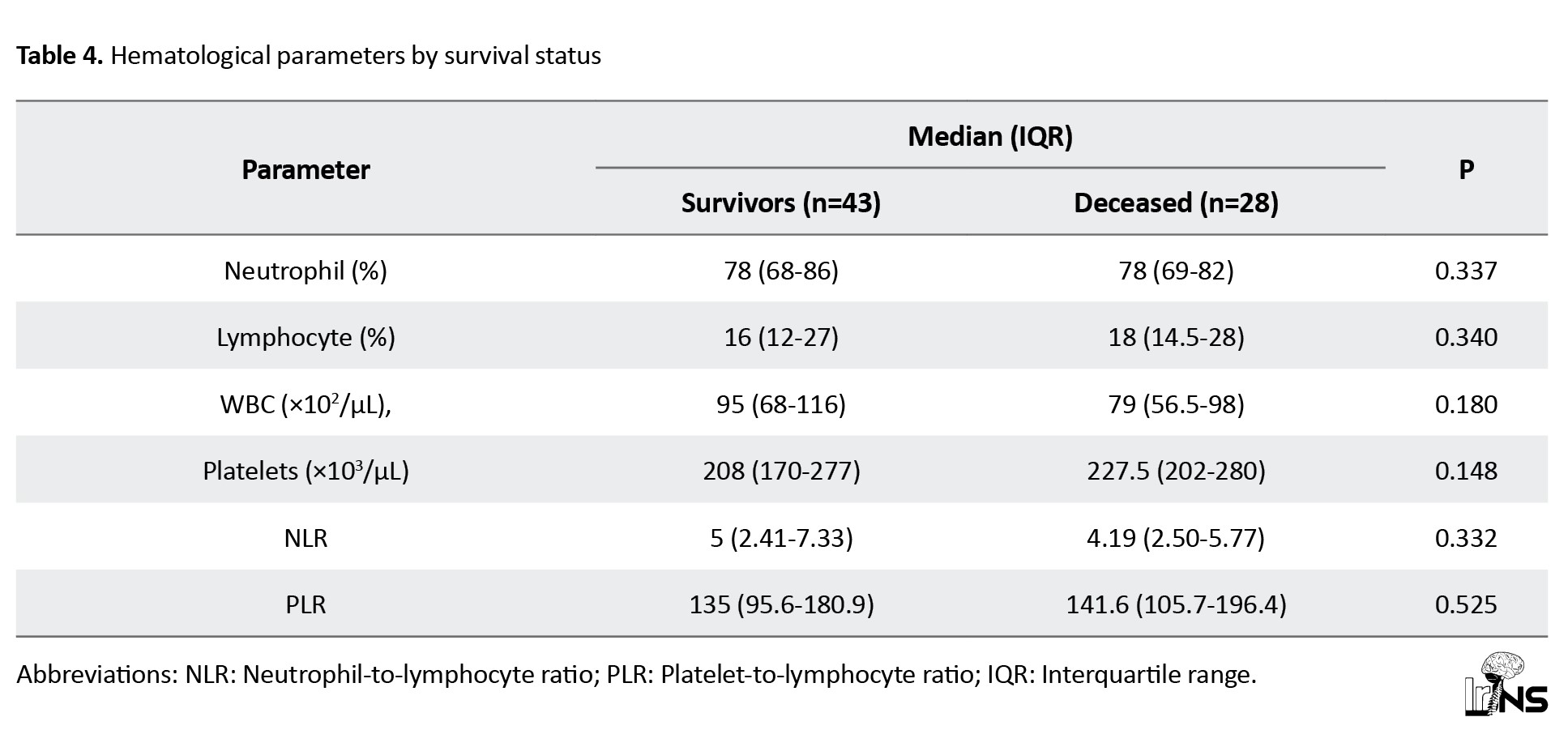
No significant differences were observed in neutrophil or lymphocyte proportions, total WBC count, platelet count, NLR, or PLR (all P>0.05).
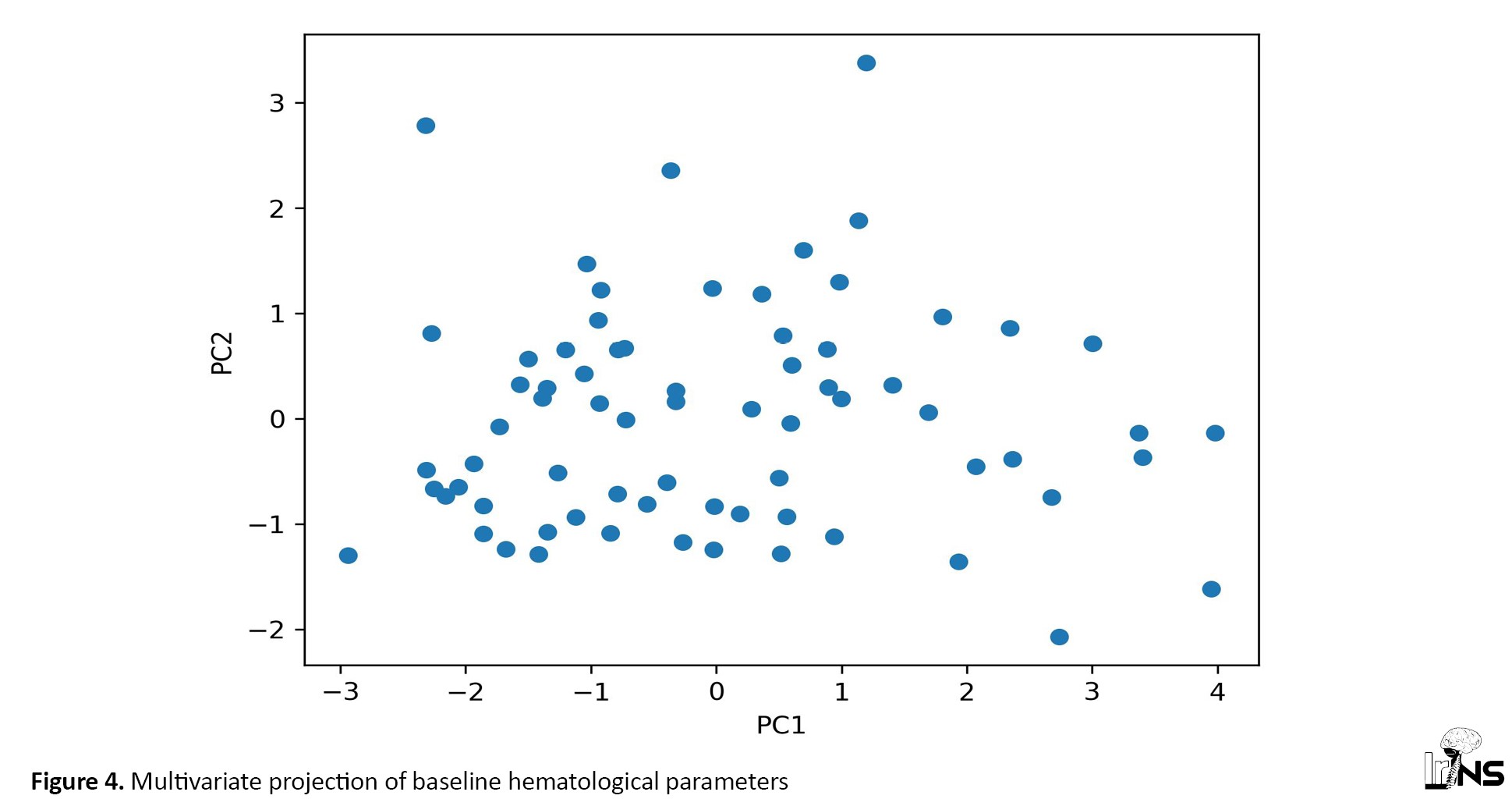
Although these results contrast with some reports identifying NLR or PLR as prognostic markers, they are consistent with studies emphasizing substantial inter-patient heterogeneity and limited reproducibility of peripheral inflammatory markers in GBM prognosis. Multivariate projection of baseline hematological parameters did not reveal distinct clustering according to survival status (Figure 4), indicating limited prognostic separability at the systemic blood level.
No significant differences were observed in neutrophil or lymphocyte proportions, total WBC count, platelet count, NLR, or PLR (all P>0.05).
Although these results contrast with some reports identifying NLR or PLR as prognostic markers, they are consistent with studies emphasizing substantial inter-patient heterogeneity and limited reproducibility of peripheral inflammatory markers in GBM prognosis. Multivariate projection of baseline hematological parameters did not reveal distinct clustering according to survival status (Figure 4), indicating limited prognostic separability at the systemic blood level.
Principal component analysis (PCA) of leukocyte- and platelet-related features reveals substantial overlap between survivors and deceased patients, with no distinct clustering observed.
Cox proportional hazards regression analysis
Table 5 presents results of univariable and multivariable Cox regression analyses.
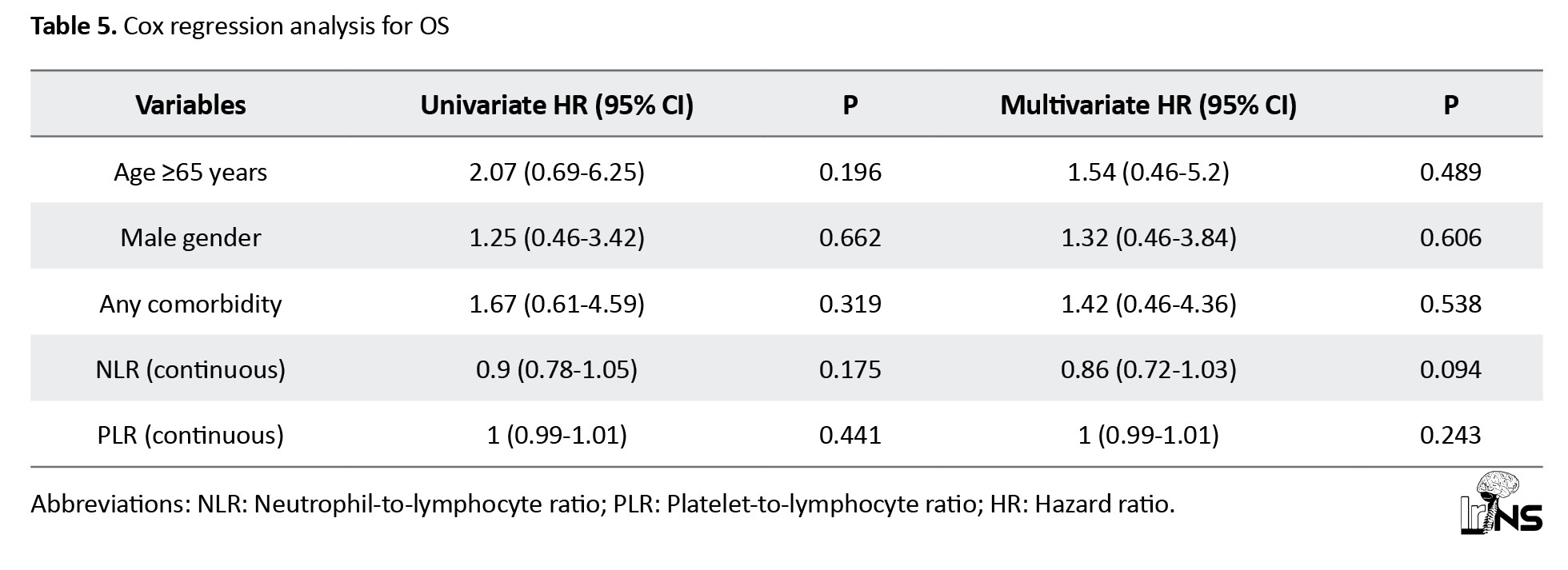
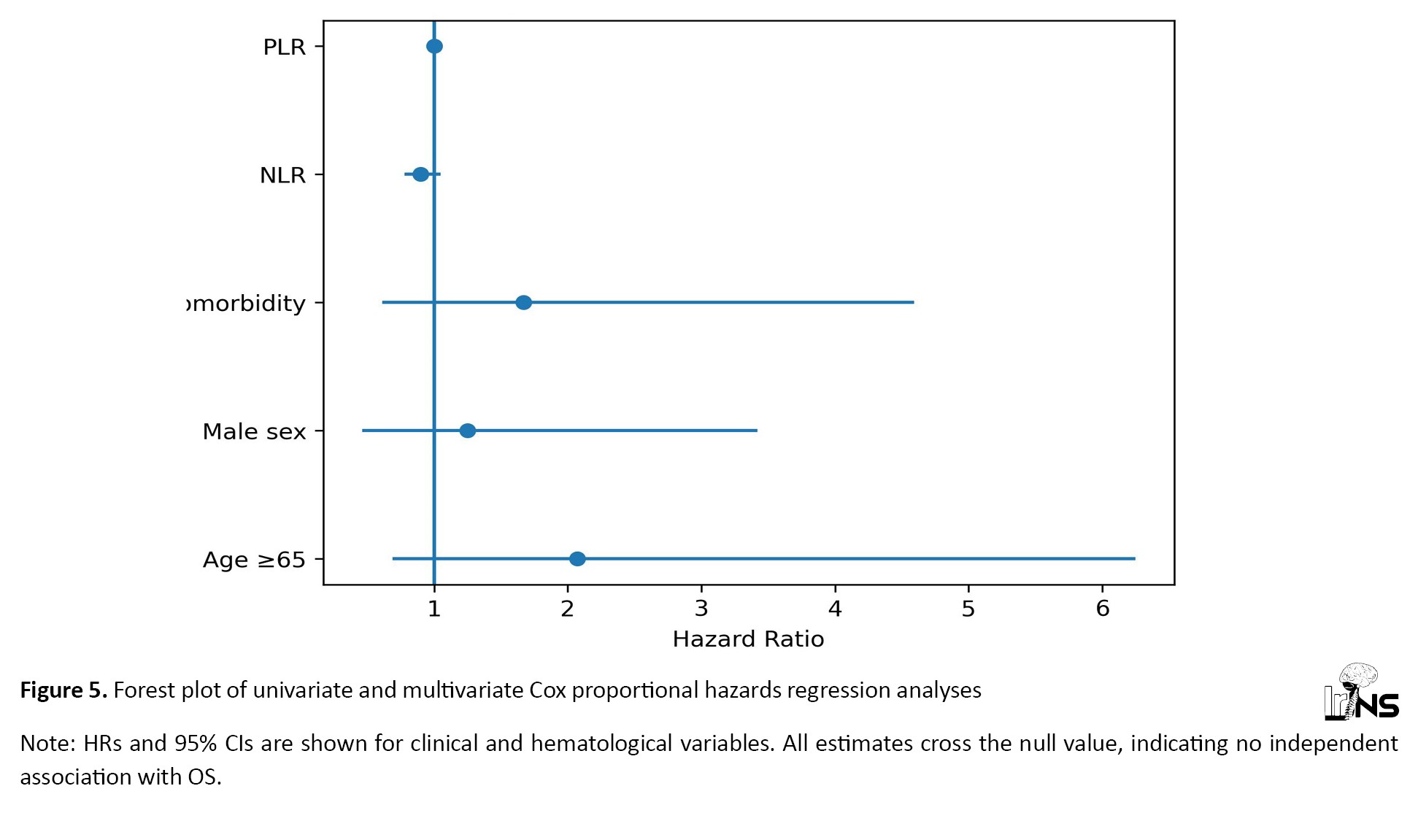
In univariable models, none of the variables, including age ≥65 years, sex, comorbidities, NLR, or PLR, showed a significant association with OS.
After adjustment for age, sex, and comorbidities, NLR (adjusted HR: 0.86, 95% CI, 0.72%, 1.03%, P=0.094) and PLR (adjusted HR: 1, 95% CI, 0.99%, 1.01%, P=0.243) remained non-significant. The relatively wide confidence intervals likely reflect biological heterogeneity and underscore the limited prognostic resolution of single-parameter hematological indices. Figure 5 shows a forest plot visualization of univariate and multivariate Cox regression analyses, illustrating that all confidence intervals intersect the null effect line.
Cox proportional hazards regression analysis
Table 5 presents results of univariable and multivariable Cox regression analyses.
In univariable models, none of the variables, including age ≥65 years, sex, comorbidities, NLR, or PLR, showed a significant association with OS.
After adjustment for age, sex, and comorbidities, NLR (adjusted HR: 0.86, 95% CI, 0.72%, 1.03%, P=0.094) and PLR (adjusted HR: 1, 95% CI, 0.99%, 1.01%, P=0.243) remained non-significant. The relatively wide confidence intervals likely reflect biological heterogeneity and underscore the limited prognostic resolution of single-parameter hematological indices. Figure 5 shows a forest plot visualization of univariate and multivariate Cox regression analyses, illustrating that all confidence intervals intersect the null effect line.
Kaplan-Meier survival analyses by subgroups
Figures 6, 7, 8, and 9 show stratified Kaplan-Meier survival curves.
Although trends toward reduced survival were observed in patients aged ≥65 years, those with comorbidities, and patients with NLR ≥4, none of these differences reached statistical significance. Survival curves stratified by sex were nearly superimposable. Importantly, the directionality of these trends is concordant with previously described prognostic patterns, suggesting the presence of weak but consistent biological signals below conventional significance thresholds.
Correlation analyses
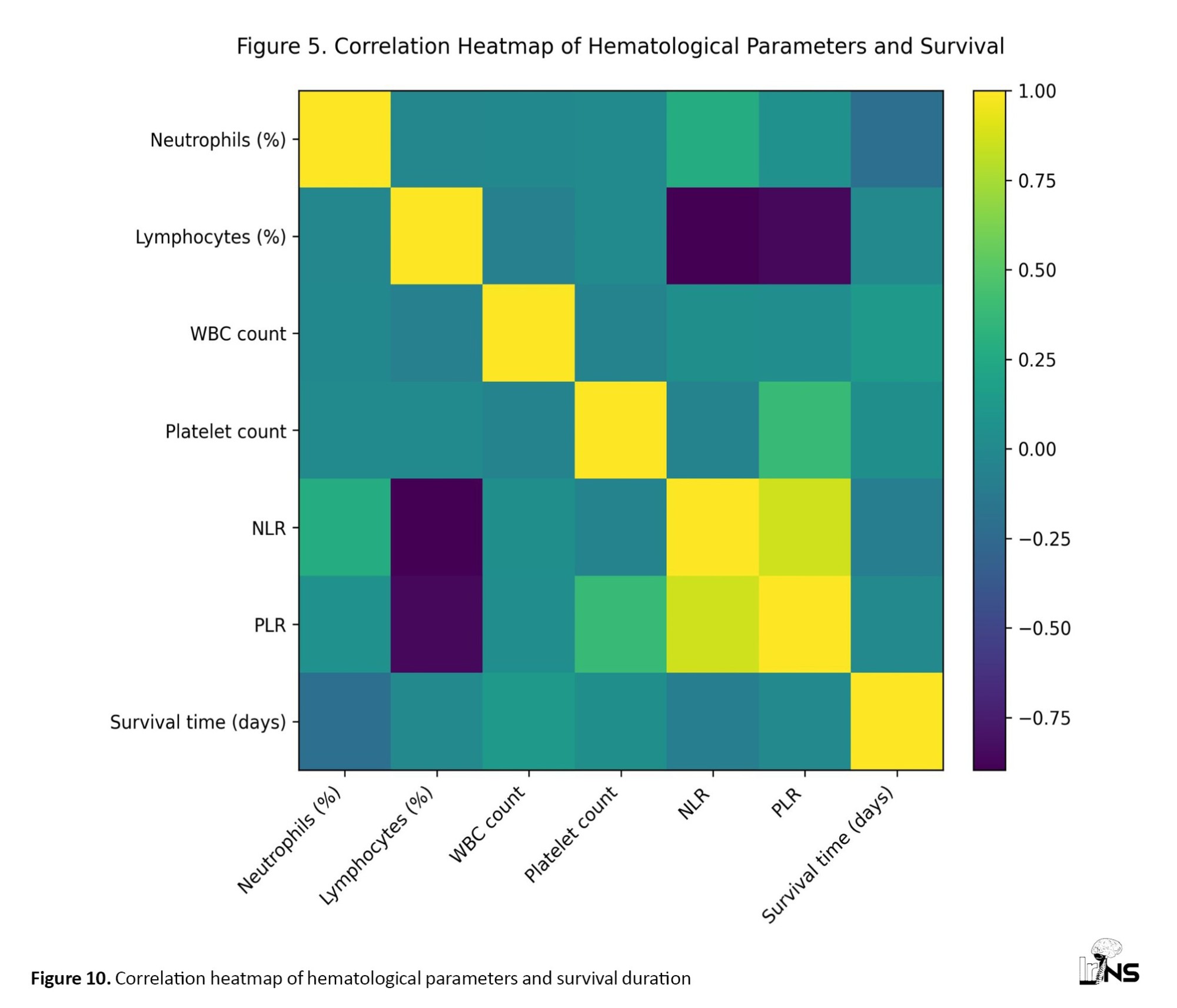
Spearman correlation analyses revealed no significant associations between survival duration and any hematological parameter, including neutrophil percentage, lymphocyte percentage, WBC count, platelet count, NLR, or PLR. Subgroup analysis restricted to deceased patients similarly failed to identify significant correlations. Pairwise correlation analysis further confirmed the absence of strong linear relationships between survival time and hematological parameters (Figure 10).
Correlation analyses
Spearman correlation analyses revealed no significant associations between survival duration and any hematological parameter, including neutrophil percentage, lymphocyte percentage, WBC count, platelet count, NLR, or PLR. Subgroup analysis restricted to deceased patients similarly failed to identify significant correlations. Pairwise correlation analysis further confirmed the absence of strong linear relationships between survival time and hematological parameters (Figure 10).
Spearman correlation coefficients indicate weak, non-significant associations, highlighting the absence of dominant linear relationships.
These findings indicate that baseline peripheral blood indices, when considered in isolation, may be insufficient to capture the complex, multi-layered determinants of survival in GBM.
4. Discussion
This prospective cohort study evaluated the prognostic relevance of routinely available hematological parameters, with a particular focus on NLR and PLR, in patients with newly diagnosed GBM. An important consideration in interpreting these findings is that the lack of statistically significant associations does not necessarily indicate the absence of a biological relationship. Rather, it may reflect the limited sensitivity of single-time-point peripheral blood measurements in capturing the complex and dynamic interactions between tumor biology and the host immune response. In GBM, systemic inflammation is highly heterogeneous and temporally variable, which may reduce the prognostic resolution of static indices, such as NLR and PLR, when assessed before surgical intervention. Contrary to a substantial body of retrospective literature, our findings demonstrated that neither baseline leukocyte-derived indices nor platelet-related parameters were independently associated with six-month OS. These results remained consistent across univariable and multivariable Cox regression models, as well as across Kaplan-Meier subgroup analyses stratified by demographic, clinical, and inflammatory variables. Collectively, these findings suggest that single pre-treatment measurements of systemic inflammatory markers may have limited prognostic utility in predicting short-term survival in GBM [29-32].
The discrepancy between our findings and those of prior studies reporting significant associations between inflammatory indices and survival outcomes may be attributed to several methodological and biological factors. First, variations in the timing of biomarker assessment (preoperative versus longitudinal measurements) may substantially influence prognostic performance. Second, differences in patient selection, including treatment protocols, extent of surgical resection, and use of corticosteroids, may contribute to inconsistent results across studies. Third, heterogeneity in cutoff values for NLR and PLR further complicates direct comparisons. These factors collectively highlight the need for standardized approaches in future investigations. Systemic inflammation has emerged as a fundamental component of GBM pathophysiology, extending beyond the tumor microenvironment to induce widespread immune dysregulation at the peripheral level. GBM is characterized by profound lymphopenia, expansion of myeloid-derived suppressor cells, and functional exhaustion of cytotoxic T lymphocytes, resulting in a paradoxical state of chronic inflammation coexisting with systemic immunosuppression. Recent integrative analyses have further demonstrated that circulating immune signatures may reflect tumor-intrinsic molecular programs associated with angiogenesis, mesenchymal transition, and resistance to therapy. Within this framework, elevated neutrophil and platelet counts are often interpreted as surrogate markers of a pro-tumor inflammatory milieu. From a mechanistic perspective, the limited prognostic value of peripheral inflammatory indices in GBM may be explained by the unique immunological characteristics of the central nervous system. The blood–brain barrier, although often disrupted in GBM, still imposes selective constraints on immune cell trafficking. Furthermore, key components of the tumor microenvironment, including tumor-associated macrophages and regulatory T cells, are not directly reflected in routine peripheral blood counts. Consequently, circulating leukocyte and platelet indices may provide only a partial and indirect representation of the intratumoral immune landscape. However, this biologically complex and dynamic immune landscape may not be adequately captured by static, single-time-point peripheral blood measurements [33, 34].
Previous studies and meta-analyses have frequently reported associations between elevated NLR or PLR and inferior survival outcomes in GBM. Pooled analyses have suggested HRs ranging from approximately 1.3 to 1.6 for elevated inflammatory ratios, supporting their potential role as adverse prognostic indicators. Additionally, recent machine-learning and multivariable prognostic models incorporating NLR, PLR, and composite systemic inflammation indices have demonstrated improved predictive performance in selected cohorts. Importantly, our findings support an emerging conceptual shift in GBM prognostication, whereby single baseline biomarkers are increasingly recognized as insufficient for accurate risk stratification. Instead, integrative approaches that combine dynamic inflammatory markers with molecular and genomic tumor features may offer superior predictive performance. This paradigm aligns with the principles of precision oncology, emphasizing the need to move beyond isolated parameters toward multidimensional prognostic models. Nevertheless, the reproducibility of these associations has been inconsistent across studies, likely reflecting heterogeneity in patient populations, treatment protocols, steroid exposure, biomarker cut-off definitions, and timing of blood sampling. Our findings align with reports that failed to demonstrate the independent prognostic value of baseline inflammatory markers, reinforcing the notion that their clinical utility may be context-dependent rather than universal [31, 35, 36].
An important explanation for the absence of significant associations in our cohort relates to the timing of biomarker assessment. All hematological parameters were obtained before surgical intervention, within a narrow pre-treatment window. Emerging evidence suggests that dynamic changes in systemic inflammatory markers during the disease course, particularly during chemoradiotherapy or at progression, may carry greater prognostic relevance than baseline values alone. Longitudinal studies have shown that increases in NLR, PLR, or red cell distribution width during treatment correlate more strongly with unfavorable outcomes than preoperative measurements. These observations support the hypothesis that systemic inflammatory indices may serve more effectively as disease-monitoring or treatment-response biomarkers than as static baseline prognostic tools [30, 32].
Several biological mechanisms may further explain why baseline leukocyte and platelet indices failed to demonstrate prognostic significance in this study. First, disruption of the blood-brain barrier in GBM facilitates bidirectional exchange of cytokines, immune mediators, and circulating cells, resulting in fluctuating peripheral immune profiles that may not accurately reflect intratumoral immune activity at a single time point. Second, key immunosuppressive components of the GBM microenvironment, including tumor-associated macrophages, regulatory T cells, and myeloid-derived suppressor cells, are not directly quantified by routine CBC-derived markers. Third, even limited perioperative corticosteroid exposure can alter leukocyte distribution and obscure biologically meaningful differences between patients [29, 33]. The lack of statistically significant associations between age, sex, comorbidities, and short-term survival in our cohort is also noteworthy. Although advanced age is traditionally considered a strong prognostic factor in GBM, increasing evidence suggests that molecular tumor characteristics, extent of resection, and treatment-related variables may exert a greater influence on early survival outcomes than demographic factors alone. This observation may be particularly relevant in cohorts with a relatively younger age distribution, such as the present study, where the majority of patients were under 65 years of age [33]. Our findings further underscore the growing recognition that systemic inflammatory biomarkers may require integration with molecular and genomic tumor features to achieve clinically meaningful prognostic performance. Recent studies have demonstrated that combining peripheral immune indices with molecular subtype classification, IDH mutation status, MGMT promoter methylation, or radiogenomic features significantly improves survival prediction accuracy. Such integrative, multilayer biomarker models align with contemporary precision oncology paradigms that emphasize the interplay among tumor biology, the host immune response, and therapeutic context [37].
Several limitations merit consideration. Despite prospective data collection, the study was conducted at a single center with a relatively modest sample size and limited follow-up duration. Although previously reported effect sizes informed sample size calculations, the wide CIs observed in multivariable analyses indicate residual uncertainty and raise the possibility of type II error. These constraints are common in GBM research and highlight the need for larger, multicenter validation studies [29]. From a clinical standpoint, our results suggest that baseline CBC-derived inflammatory indices should not be used in isolation for risk stratification in patients with newly diagnosed GBM. Nonetheless, given their low cost, universal availability, and biological plausibility, these markers remain attractive candidates for incorporation into composite prognostic algorithms or longitudinal monitoring frameworks. Future studies should prioritize standardized longitudinal sampling, rigorous control of steroid exposure, and integration with molecular tumor profiling to better define the role of systemic inflammatory markers in GBM prognostication [30, 33]. Future research should prioritize longitudinal monitoring of inflammatory markers throughout the disease course, as well as their integration with radiomic and molecular data. Advanced analytical approaches, including machine learning–based models, may further enhance the predictive value of these biomarkers and facilitate individualized prognostic assessment in patients with GBM. In conclusion, this study demonstrates that baseline leukocyte- and platelet-derived inflammatory indices, including NLR and PLR, are not independently associated with short-term survival in patients with GBM. These findings highlight the complexity of systemic immune-tumor interactions and support the emerging concept that dynamic immune monitoring and multi-parameter biomarker integration, rather than single baseline measurements, may be required to achieve clinically meaningful prognostic stratification in GBM [30, 33].
5. Conclusion
In this prospective cohort of patients with newly diagnosed GBM, routinely measured peripheral blood parameters, including neutrophil, lymphocyte, and platelet counts, as well as derived inflammatory ratios such as NLR and PLR, were not independently associated with six-month OS. Although non-significant trends toward poorer outcomes were observed among older patients and those with higher baseline NLR values, these associations did not achieve statistical significance in univariable or multivariable analyses. These findings indicate that single baseline measurements of systemic inflammatory markers may have limited utility as standalone prognostic tools for short-term survival assessment in patients with GBM. The results of this study reinforce the concept that GBM prognosis is governed by complex, dynamic interactions among tumor molecular characteristics, host immune responses, and treatment-related factors, rather than by isolated systemic biomarkers alone. While peripheral inflammatory indices offer biological plausibility and practical advantages, their prognostic value appears insufficient when applied in isolation, particularly at a single pre-treatment time point. Accordingly, reliance on conventional hematological markers alone for risk stratification in GBM should be approached with caution. Importantly, these findings do not negate the potential clinical relevance of systemic inflammatory markers; rather, they highlight the need to integrate them into broader, multidimensional prognostic models. Emerging evidence supports incorporating inflammatory indices alongside molecular tumor profiling, radiomic features, and advanced analytical approaches, such as machine learning, to enhance prognostic accuracy and support personalized treatment strategies. Longitudinal monitoring of inflammatory markers during treatment may further improve their clinical value by capturing dynamic changes in tumor-host immune interactions. In summary, this study provides population-specific evidence that baseline CBC-derived inflammatory markers, including NLR and PLR, do not independently predict short-term survival in GBM. These findings contribute to the growing body of literature emphasizing the limitations of static prognostic biomarkers in GBM and support a shift toward integrated, dynamic, and multi-parameter prognostic frameworks. Future prospective multicenter studies with larger sample sizes, extended follow-up, standardized biomarker assessment, and comprehensive molecular characterization are required to validate these observations and to define the optimal role of systemic inflammatory markers within precision prognostication models for GBM.
Limitations
Several limitations should be acknowledged. The relatively small sample size and single-center design may limit the generalizability of our findings and increase the risk of type II error. Additionally, the absence of key molecular and clinical variables, such as MGMT promoter methylation, IDH mutation status, extent of resection, and performance status, may have introduced residual confounding. The relatively short follow-up period further restricts the assessment of long-term survival outcomes. These limitations underscore the need for larger, multicenter studies with comprehensive data integration.
Ethical Considerations
Compliance with ethical guidelines
This study was conducted in accordance with the ethical standards of the institutional research committee and with the 1964 Helsinki Declaration and its later amendments. The research protocol was approved by the Research Ethics Committee of Guilan University of Medical Sciences, Rasht, Iran (Code: IR.GUMS.REC.1403.284). Written informed consent was obtained from all individual participants or their legal representatives included in the study.
Funding
This article was extracted from the medical doctorate thesis of Reza Hatami, approved by the School of Medicine, Guilan University of Medical Sciences, Rasht, Iran. This research did not receive any grant from funding agencies in the public, commercial, or non-profit sectors.
Authors' contributions
Conceptualization, study design, review and editing: Ali Akbar Samadani; Data collection: Reza Hatami, Seyedeh Elham Norollahi, Paridokht Karimiyan, Zahra Abedi, Delaram Nazari, and Fatemeh Afsha; Data analysis and interpretation: Ali Ashraf, Shahrokh Yousefzadeh-Chabok, and Ali Akbar Samadani; Writing the original draft: Reza Hatami, Zahra Abedi, and Ali Akbar Samadani; Final approval: All authors.
Conflict of interest
The authors declared no conflict of interest.
Acknowledgements
The authors express their sincere gratitude and appreciation to all the individuals who contributed to this study.
These findings indicate that baseline peripheral blood indices, when considered in isolation, may be insufficient to capture the complex, multi-layered determinants of survival in GBM.
4. Discussion
This prospective cohort study evaluated the prognostic relevance of routinely available hematological parameters, with a particular focus on NLR and PLR, in patients with newly diagnosed GBM. An important consideration in interpreting these findings is that the lack of statistically significant associations does not necessarily indicate the absence of a biological relationship. Rather, it may reflect the limited sensitivity of single-time-point peripheral blood measurements in capturing the complex and dynamic interactions between tumor biology and the host immune response. In GBM, systemic inflammation is highly heterogeneous and temporally variable, which may reduce the prognostic resolution of static indices, such as NLR and PLR, when assessed before surgical intervention. Contrary to a substantial body of retrospective literature, our findings demonstrated that neither baseline leukocyte-derived indices nor platelet-related parameters were independently associated with six-month OS. These results remained consistent across univariable and multivariable Cox regression models, as well as across Kaplan-Meier subgroup analyses stratified by demographic, clinical, and inflammatory variables. Collectively, these findings suggest that single pre-treatment measurements of systemic inflammatory markers may have limited prognostic utility in predicting short-term survival in GBM [29-32].
The discrepancy between our findings and those of prior studies reporting significant associations between inflammatory indices and survival outcomes may be attributed to several methodological and biological factors. First, variations in the timing of biomarker assessment (preoperative versus longitudinal measurements) may substantially influence prognostic performance. Second, differences in patient selection, including treatment protocols, extent of surgical resection, and use of corticosteroids, may contribute to inconsistent results across studies. Third, heterogeneity in cutoff values for NLR and PLR further complicates direct comparisons. These factors collectively highlight the need for standardized approaches in future investigations. Systemic inflammation has emerged as a fundamental component of GBM pathophysiology, extending beyond the tumor microenvironment to induce widespread immune dysregulation at the peripheral level. GBM is characterized by profound lymphopenia, expansion of myeloid-derived suppressor cells, and functional exhaustion of cytotoxic T lymphocytes, resulting in a paradoxical state of chronic inflammation coexisting with systemic immunosuppression. Recent integrative analyses have further demonstrated that circulating immune signatures may reflect tumor-intrinsic molecular programs associated with angiogenesis, mesenchymal transition, and resistance to therapy. Within this framework, elevated neutrophil and platelet counts are often interpreted as surrogate markers of a pro-tumor inflammatory milieu. From a mechanistic perspective, the limited prognostic value of peripheral inflammatory indices in GBM may be explained by the unique immunological characteristics of the central nervous system. The blood–brain barrier, although often disrupted in GBM, still imposes selective constraints on immune cell trafficking. Furthermore, key components of the tumor microenvironment, including tumor-associated macrophages and regulatory T cells, are not directly reflected in routine peripheral blood counts. Consequently, circulating leukocyte and platelet indices may provide only a partial and indirect representation of the intratumoral immune landscape. However, this biologically complex and dynamic immune landscape may not be adequately captured by static, single-time-point peripheral blood measurements [33, 34].
Previous studies and meta-analyses have frequently reported associations between elevated NLR or PLR and inferior survival outcomes in GBM. Pooled analyses have suggested HRs ranging from approximately 1.3 to 1.6 for elevated inflammatory ratios, supporting their potential role as adverse prognostic indicators. Additionally, recent machine-learning and multivariable prognostic models incorporating NLR, PLR, and composite systemic inflammation indices have demonstrated improved predictive performance in selected cohorts. Importantly, our findings support an emerging conceptual shift in GBM prognostication, whereby single baseline biomarkers are increasingly recognized as insufficient for accurate risk stratification. Instead, integrative approaches that combine dynamic inflammatory markers with molecular and genomic tumor features may offer superior predictive performance. This paradigm aligns with the principles of precision oncology, emphasizing the need to move beyond isolated parameters toward multidimensional prognostic models. Nevertheless, the reproducibility of these associations has been inconsistent across studies, likely reflecting heterogeneity in patient populations, treatment protocols, steroid exposure, biomarker cut-off definitions, and timing of blood sampling. Our findings align with reports that failed to demonstrate the independent prognostic value of baseline inflammatory markers, reinforcing the notion that their clinical utility may be context-dependent rather than universal [31, 35, 36].
An important explanation for the absence of significant associations in our cohort relates to the timing of biomarker assessment. All hematological parameters were obtained before surgical intervention, within a narrow pre-treatment window. Emerging evidence suggests that dynamic changes in systemic inflammatory markers during the disease course, particularly during chemoradiotherapy or at progression, may carry greater prognostic relevance than baseline values alone. Longitudinal studies have shown that increases in NLR, PLR, or red cell distribution width during treatment correlate more strongly with unfavorable outcomes than preoperative measurements. These observations support the hypothesis that systemic inflammatory indices may serve more effectively as disease-monitoring or treatment-response biomarkers than as static baseline prognostic tools [30, 32].
Several biological mechanisms may further explain why baseline leukocyte and platelet indices failed to demonstrate prognostic significance in this study. First, disruption of the blood-brain barrier in GBM facilitates bidirectional exchange of cytokines, immune mediators, and circulating cells, resulting in fluctuating peripheral immune profiles that may not accurately reflect intratumoral immune activity at a single time point. Second, key immunosuppressive components of the GBM microenvironment, including tumor-associated macrophages, regulatory T cells, and myeloid-derived suppressor cells, are not directly quantified by routine CBC-derived markers. Third, even limited perioperative corticosteroid exposure can alter leukocyte distribution and obscure biologically meaningful differences between patients [29, 33]. The lack of statistically significant associations between age, sex, comorbidities, and short-term survival in our cohort is also noteworthy. Although advanced age is traditionally considered a strong prognostic factor in GBM, increasing evidence suggests that molecular tumor characteristics, extent of resection, and treatment-related variables may exert a greater influence on early survival outcomes than demographic factors alone. This observation may be particularly relevant in cohorts with a relatively younger age distribution, such as the present study, where the majority of patients were under 65 years of age [33]. Our findings further underscore the growing recognition that systemic inflammatory biomarkers may require integration with molecular and genomic tumor features to achieve clinically meaningful prognostic performance. Recent studies have demonstrated that combining peripheral immune indices with molecular subtype classification, IDH mutation status, MGMT promoter methylation, or radiogenomic features significantly improves survival prediction accuracy. Such integrative, multilayer biomarker models align with contemporary precision oncology paradigms that emphasize the interplay among tumor biology, the host immune response, and therapeutic context [37].
Several limitations merit consideration. Despite prospective data collection, the study was conducted at a single center with a relatively modest sample size and limited follow-up duration. Although previously reported effect sizes informed sample size calculations, the wide CIs observed in multivariable analyses indicate residual uncertainty and raise the possibility of type II error. These constraints are common in GBM research and highlight the need for larger, multicenter validation studies [29]. From a clinical standpoint, our results suggest that baseline CBC-derived inflammatory indices should not be used in isolation for risk stratification in patients with newly diagnosed GBM. Nonetheless, given their low cost, universal availability, and biological plausibility, these markers remain attractive candidates for incorporation into composite prognostic algorithms or longitudinal monitoring frameworks. Future studies should prioritize standardized longitudinal sampling, rigorous control of steroid exposure, and integration with molecular tumor profiling to better define the role of systemic inflammatory markers in GBM prognostication [30, 33]. Future research should prioritize longitudinal monitoring of inflammatory markers throughout the disease course, as well as their integration with radiomic and molecular data. Advanced analytical approaches, including machine learning–based models, may further enhance the predictive value of these biomarkers and facilitate individualized prognostic assessment in patients with GBM. In conclusion, this study demonstrates that baseline leukocyte- and platelet-derived inflammatory indices, including NLR and PLR, are not independently associated with short-term survival in patients with GBM. These findings highlight the complexity of systemic immune-tumor interactions and support the emerging concept that dynamic immune monitoring and multi-parameter biomarker integration, rather than single baseline measurements, may be required to achieve clinically meaningful prognostic stratification in GBM [30, 33].
5. Conclusion
In this prospective cohort of patients with newly diagnosed GBM, routinely measured peripheral blood parameters, including neutrophil, lymphocyte, and platelet counts, as well as derived inflammatory ratios such as NLR and PLR, were not independently associated with six-month OS. Although non-significant trends toward poorer outcomes were observed among older patients and those with higher baseline NLR values, these associations did not achieve statistical significance in univariable or multivariable analyses. These findings indicate that single baseline measurements of systemic inflammatory markers may have limited utility as standalone prognostic tools for short-term survival assessment in patients with GBM. The results of this study reinforce the concept that GBM prognosis is governed by complex, dynamic interactions among tumor molecular characteristics, host immune responses, and treatment-related factors, rather than by isolated systemic biomarkers alone. While peripheral inflammatory indices offer biological plausibility and practical advantages, their prognostic value appears insufficient when applied in isolation, particularly at a single pre-treatment time point. Accordingly, reliance on conventional hematological markers alone for risk stratification in GBM should be approached with caution. Importantly, these findings do not negate the potential clinical relevance of systemic inflammatory markers; rather, they highlight the need to integrate them into broader, multidimensional prognostic models. Emerging evidence supports incorporating inflammatory indices alongside molecular tumor profiling, radiomic features, and advanced analytical approaches, such as machine learning, to enhance prognostic accuracy and support personalized treatment strategies. Longitudinal monitoring of inflammatory markers during treatment may further improve their clinical value by capturing dynamic changes in tumor-host immune interactions. In summary, this study provides population-specific evidence that baseline CBC-derived inflammatory markers, including NLR and PLR, do not independently predict short-term survival in GBM. These findings contribute to the growing body of literature emphasizing the limitations of static prognostic biomarkers in GBM and support a shift toward integrated, dynamic, and multi-parameter prognostic frameworks. Future prospective multicenter studies with larger sample sizes, extended follow-up, standardized biomarker assessment, and comprehensive molecular characterization are required to validate these observations and to define the optimal role of systemic inflammatory markers within precision prognostication models for GBM.
Limitations
Several limitations should be acknowledged. The relatively small sample size and single-center design may limit the generalizability of our findings and increase the risk of type II error. Additionally, the absence of key molecular and clinical variables, such as MGMT promoter methylation, IDH mutation status, extent of resection, and performance status, may have introduced residual confounding. The relatively short follow-up period further restricts the assessment of long-term survival outcomes. These limitations underscore the need for larger, multicenter studies with comprehensive data integration.
Ethical Considerations
Compliance with ethical guidelines
This study was conducted in accordance with the ethical standards of the institutional research committee and with the 1964 Helsinki Declaration and its later amendments. The research protocol was approved by the Research Ethics Committee of Guilan University of Medical Sciences, Rasht, Iran (Code: IR.GUMS.REC.1403.284). Written informed consent was obtained from all individual participants or their legal representatives included in the study.
Funding
This article was extracted from the medical doctorate thesis of Reza Hatami, approved by the School of Medicine, Guilan University of Medical Sciences, Rasht, Iran. This research did not receive any grant from funding agencies in the public, commercial, or non-profit sectors.
Authors' contributions
Conceptualization, study design, review and editing: Ali Akbar Samadani; Data collection: Reza Hatami, Seyedeh Elham Norollahi, Paridokht Karimiyan, Zahra Abedi, Delaram Nazari, and Fatemeh Afsha; Data analysis and interpretation: Ali Ashraf, Shahrokh Yousefzadeh-Chabok, and Ali Akbar Samadani; Writing the original draft: Reza Hatami, Zahra Abedi, and Ali Akbar Samadani; Final approval: All authors.
Conflict of interest
The authors declared no conflict of interest.
Acknowledgements
The authors express their sincere gratitude and appreciation to all the individuals who contributed to this study.
References
- Stupp R, Mason WP, Van Den Bent MJ, Weller M, Fisher B, Taphoorn MJ, et al. Radiotherapy plus concomitant and adjuvant temozolomide for glioblastoma. New England Journal of Medicine. 2005; 352(10):987-96. [DOI:10.1056/NEJMoa043330] [PMID]
- Ostrom QT, Cioffi G, Gittleman H, Patil N, Waite K, Kruchko C, et al. CBTRUS statistical report: primary brain and other central nervous system tumors diagnosed in the United States in 2012-2016. Neuro-oncology. 2019; 21(Supplement_5):v1-100. [DOI:10.1093/neuonc/noz150] [PMID] [PMCID]
- Aldape K, Brindle KM, Chesler L, Chopra R, Gajjar A, Gilbert MR, et al. Challenges to curing primary brain tumours. Nature Reviews Clinical Oncology. 2019; 16(8):509-20. [DOI:10.1038/s41571-019-0177-5] [PMID] [PMCID]
- Louis DN, Perry A, Wesseling P, Brat DJ, Cree IA, Figarella-Branger D, et al. The 2021 WHO classification of tumors of the central nervous system: A summary. Neuro-oncology. 2021; 23(8):1231-51. [DOI:10.1093/neuonc/noab106] [PMID] [PMCID]
- Brennan CW, Verhaak RG, McKenna A, Campos B, Noushmehr H, Salama SR, et al. The somatic genomic landscape of glioblastoma. Cell. 2013; 155(2):462-77. [DOI:10.1016/j.cell.2013.09.034] [PMID] [PMCID]
- Gustafson MP, Lin Y, New KC, Bulur PA, O’Neill BP, Gastineau DA, et al. Systemic immune suppression in glioblastoma: The interplay between CD14+ HLA-DRlo/neg monocytes, tumor factors, and dexamethasone. Neuro-oncology. 2010; 12(7):631-44. [DOI:10.1093/neuonc/noq001] [PMID] [PMCID]
- Fares J, Petrosyan E, Salhab HA, Dmello C, Fares Y. The immunology of brain tumors. Brain Tumors: An interdisciplinary approach. New York: Springer; 2023. [DOI:10.1007/16833_2023_132]
- Bambury R, Teo M, Power D, Yusuf A, Murray S, Battley J, et al. The association of pre-treatment neutrophil to lymphocyte ratio with overall survival in patients with glioblastoma multiforme. Journal of Neuro-oncology. 2013; 114(1):149-54. [DOI:10.1007/s11060-013-1164-9] [PMID]
- Lin YJ, Wei KC, Chen PY, Lim M, Hwang TL. Roles of neutrophils in glioma and brain metastases. Frontiers in Immunology. 2021; 12:701383. [DOI:10.3389/fimmu.2021.701383] [PMID] [PMCID]
- Jarmuzek P, Kozlowska K, Defort P, Kot M, Zembron-Lacny A. Prognostic values of systemic inflammatory immunological markers in glioblastoma: A systematic review and meta-analysis. Cancers. 2023; 15(13):3339. [DOI:10.3390/cancers15133339] [PMID] [PMCID]
- Grossman SA, Ye X, Lesser G, Sloan A, Carraway H, Desideri S, et al. Immunosuppression in patients with high-grade gliomas treated with radiation and temozolomide. Clinical Cancer Research. 2011;17(16):5473-80. [DOI:10.1158/1078-0432.CCR-11-0774] [PMID] [PMCID]
- Yang C, Wen HB, Zhao YH, Huang WH, Wang ZF, Li ZQ. Systemic inflammatory indicators as prognosticators in glioblastoma patients: A comprehensive meta-analysis. Frontiers in Neurology. 2020; 11:580101. [DOI:10.3389/fneur.2020.580101] [PMID] [PMCID]
- Chung MW, Tzeng CC, Huang YC, Wei KC, Hsu PW, Chuang CC, et al. Neutrophil-to-lymphocyte ratio dynamics: prognostic value and potential for surveilling glioblastoma recurrence. BMC Cancer. 2025; 25(1):709. [DOI:10.1186/s12885-025-14118-8] [PMID] [PMCID]
- Westermark B. Platelet-derived growth factor in glioblastoma-driver or biomarker? Upsala Journal of medical sciences. 2014; 119(4):298-305. [DOI:10.3109/03009734.2014.970304] [PMID] [PMCID]
- Wach J, Apallas S, Schneider M, Weller J, Schuss P, Vatter H, et al. Mean platelet volume/platelet count ratio and risk of progression in glioblastoma. Frontiers in Oncology. 2021; 11:695316. [DOI:10.3389/fonc.2021.695316] [PMID] [PMCID]
- Bispo RG, Bastos Siqueira IF, de Oliveira BFS, Moreira Fernandes CE, Figueiredo LA, Cintra LP, et al. Prognostic value of the platelet-lymphocyte ratio for glioblastoma: A systematic review. World Neurosurg. 2023;175:137-41.e1. [DOI:10.1016/j.wneu.2023.04.086] [PMID]
- Schneider M, Schäfer N, Apallas S, Potthoff A-L, Bode C, Güresir E, et al. Red blood cell distribution width to platelet ratio substantiates preoperative survival prediction in patients with newly-diagnosed glioblastoma. Journal of Neuro-oncology. 2021; 154(2):229-35. [DOI:10.1007/s11060-021-03817-4] [PMID] [PMCID]
- Chen Y, Chen F, Luo YX, Xiong L. Prognostic importance of red blood cell distribution width in patients with glioma: A meta-analysis. Oncology Letters. 2025; 30(4):471. [DOI:10.3892/ol.2025.15217] [PMID] [PMCID]
- Association WM. World Medical Association Declaration of Helsinki: Ethical principles for medical research involving human subjects. JAMA. 2013; 310(20):2191-4. [DOI:10.1001/jama.2013.281053] [PMID]
- Erik von Elm M, Altman DG, Egger M, Pocock SJ, Gøtzsche PC, Vandenbroucke JP. The strengthening the reporting of observational studies in epidemiology (STROBE) statement: Guidelines for reporting observational studies. Annals of Internal Medicine. 2007; 147(8):573. [DOI:10.7326/0003-4819-147-8-200710160-00010] [PMID]
- World Health Organization (WHO). Central nervous system tumours: WHO classification of tumours, 5th Edition, Volume 6. Geneva: World Health Organization; 2020. [Link]
- Deng D, Hammoudeh L, Youssef G, Chen YH, Shin KY, Lim-Fat MJ, et al. Evaluating hematologic parameters in newly diagnosed and recurrent glioblastoma: Prognostic utility and clinical trial implications of myelosuppression. Neuro-Oncology Advances. 2023; 5(1):vdad083. [DOI:10.1093/noajnl/vdad083]
- Lacroix M, Abi-Said D, Fourney DR, Gokaslan ZL, Shi W, DeMonte F, et al. A multivariate analysis of 416 patients with glioblastoma multiforme: Prognosis, extent of resection, and survival. Journal of Neurosurgery. 2001; 95(2):190-8. [DOI:10.3171/jns.2001.95.2.0190] [PMID]
- Berger J. [Quality control in hematology (Czech)]. Vnitr-ní lékar-ství. 1992; 38(4):388-94. [PMID]
- Clark TG, Bradburn MJ, Love SB, Altman DG. Survival analysis part I: Basic concepts and first analyses. British Journal of Cancer. 2003; 89(2):232-8. [DOI:10.1038/sj.bjc.6601118] [PMID] [PMCID]
- Schoenfeld D. Partial residuals for the proportional hazards model. Biometrika. 1982; 69:51-5. [DOI:10.1093/biomet/69.1.239]
- Templeton AJ, McNamara MG, Šeruga B, Vera-Badillo FE, Aneja P, Ocaña A, et al. Prognostic role of neutrophil-to-lymphocyte ratio in solid tumors: A systematic review and meta-analysis. Journal of the National Cancer Institute. 2014; 106(6):dju124. [DOI:10.1093/jnci/dju124] [PMCID]
- Chow SC, Shao J, Wang H, Lokhnygina Y. Sample size calculations in clinical research. London: Chapman and hall/CRC; 2017. [DOI:10.1201/9781315183084]
- Stepanenko AA, Sosnovtseva AO, Valikhov MP, Chernysheva AA, Abramova OV, Pavlov KA, et al. Systemic and local immunosuppression in glioblastoma and its prognostic significance. Frontiers in Immunology. 2024; 15:1326753. [DOI:10.3389/fimmu.2024.1326753] [PMID] [PMCID]
- Jacome MA, Wu Q, Piña Y, Etame AB. Evolution of molecular biomarkers and precision molecular therapeutic strategies in glioblastoma. Cancers (Basel). 2024; 16(21):3635. [DOI:10.3390/cancers16213635] [PMID] [PMCID]
- Lv Y, Zhang S, Liu Z, Tian Y, Liang N, Zhang J. Prognostic value of preoperative neutrophil to lymphocyte ratio is superior to systemic immune inflammation index for survival in patients with Glioblastoma. Clinical Neurology and Neurosurgery. 2019; 181:24-7. [DOI:10.1016/j.clineuro.2019.03.017]
- Lin JX, Wang ZK, Huang YQ, Xie JW, Wang JB, Lu J, et al. Dynamic changes in pre- and postoperative levels of inflammatory markers and their effects on the prognosis of patients with gastric cancer. Journal of Gastrointestinal Surgery. 2021; 25(2):387-96. [DOI:10.1007/s11605-020-04523-8] [PMID] [PMCID]
- Yusupovna MI, Juraevna UG, Abdujalilovich MZ, Rakhmonovich AI. Immunometabolic landscape of glioblastoma-A comparative analysis of circulating cytokines and biochemical markers. Contemporary Oncology. 2025; 29(4):377-83. [DOI:10.5114/wo.2025.156117] [PMID] [PMCID]
- Woroniecka K, Chongsathidkiet P, Rhodin K, Kemeny H, Dechant C, Farber SH, et al. T-cell exhaustion signatures vary with tumor type and are severe in glioblastoma. Clinical Cancer Research. 2018; 24(17):4175-86. [DOI:10.1158/1078-0432.CCR-17-1846] [PMID] [PMCID]
- Zhang J, Zhang S, Song Y, He M, Ren Q, Chen C, et al. Prognostic role of neutrophil lymphocyte ratio in patients with glioma. Oncotarget. 2017; 8(35):59217-24. [DOI:10.18632/oncotarget.19484] [PMID] [PMCID]
- Akbari H, Bakas S, Sako C, Fathi Kazerooni A, Villanueva-Meyer J, Garcia JA, et al. Machine learning-based prognostic subgrouping of glioblastoma: A multicenter study. Neuro-Oncology. 2024; 27(4):1102-15. [DOI:10.1093/neuonc/noae260] [PMID] [PMCID]
- Ceccarelli M, Barthel Floris P, Malta Tathiane M, Sabedot Thais S, Salama Sofie R, Murray Bradley A, et al. Molecular profiling reveals biologically discrete subsets and pathways of progression in diffuse glioma. Cell. 2016; 164(3):550-63. [DOI:10.1016/j.cell.2015.12.028] [PMID] [PMCID]
Type of Study: Research |
Subject:
Brain Tumors
Send email to the article author
| Rights and Permissions | |
 |
This work is licensed under a Creative Commons Attribution-NonCommercial 4.0 International License. |

Copyright © The Author(s);
This is an open access article distributed under the terms of the Creative Commons Attribution License (CC-By-NC), which permits use, distribution, and reproduction in any medium, provided the original work is properly cited and is not used for commercial purposes.
Contact Information
This is an open access article distributed under the terms of the Creative Commons Attribution License (CC-By-NC), which permits use, distribution, and reproduction in any medium, provided the original work is properly cited and is not used for commercial purposes.
Contact Information
